
This post is yet another part of the website content. I seem to do better when I’m writing for immediate release. If I just put it in a folder I am forever going back to it. My website developer won’t take things in parts. They are waiting for the full package from me. So bit by bit I do it, in my spare time. The website will be connected to the blog, or rather the reverse. This process also puts everything into html and labels the photos — all in all, a process that seems to work.
Soon I will also get back to reporting on day-to-day life here, which goes on with its highs and lows of any household of 12 children. From time to time the girls will be writing and reporting. They have each chosen “pen names.”
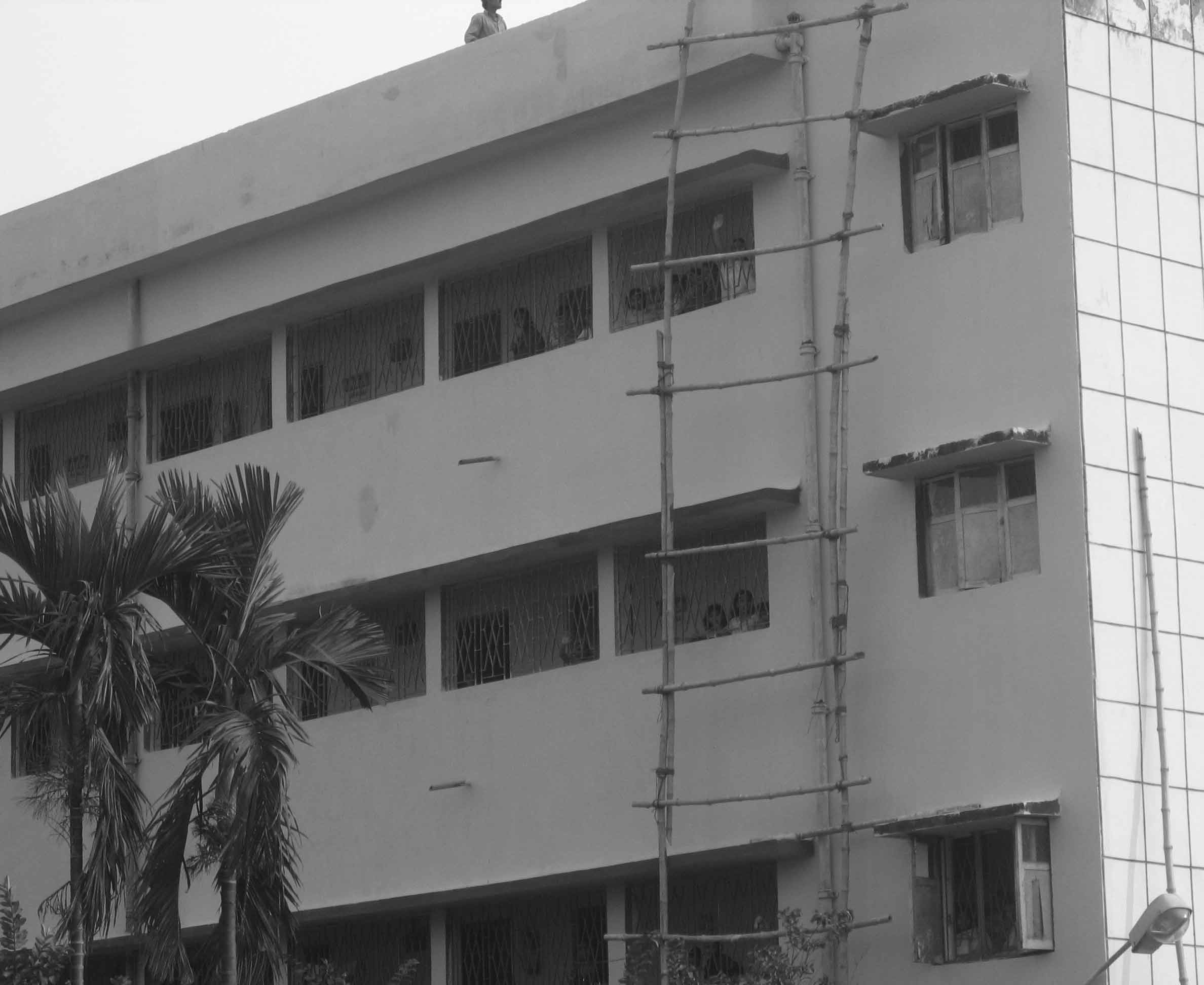
Sukanya Government Home for Lost and Abandoned Children
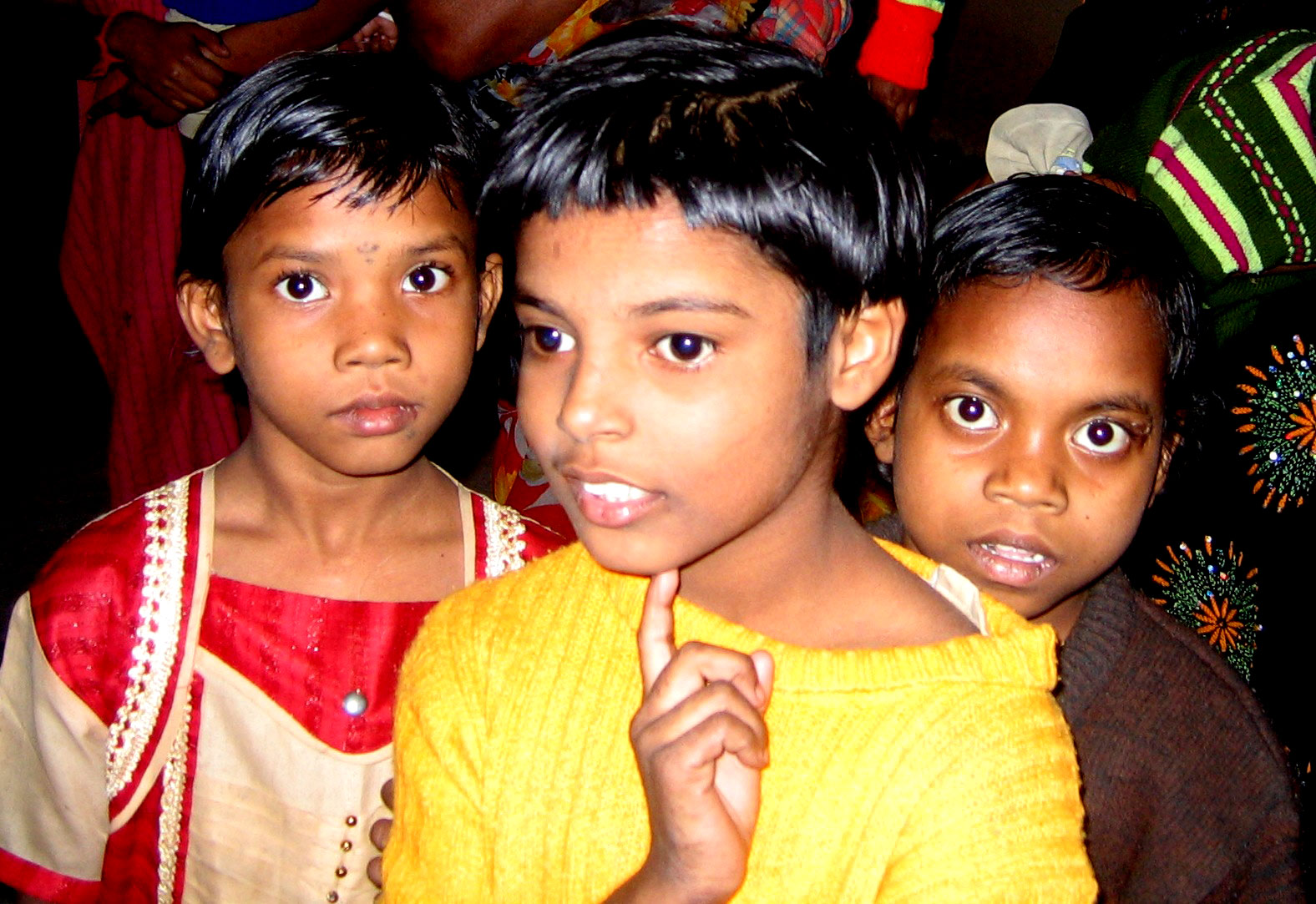
All twelve orphan girls arrived at Shishur Sevay in February 2007. All came from Sukanya Home, the Government of West Bengal institution for abandoned and lost children. All came by Order of the Child Welfare Committee as established by the Juvenile Justice (Care and Protection of Children) Act, 2000 (Act No. 56 of 2000). This is significant as the Government of West Bengal has a more rigorous screening and inspection system of approval for homes that will care for children who are in government custody as true orphans.
Within the first month, the following became clear:
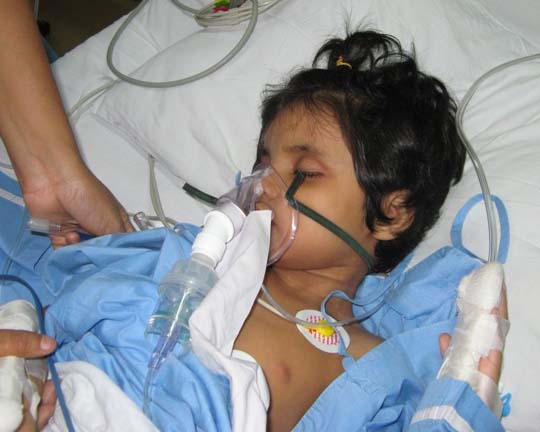
- The children were in need of immediate medical and dental care as well as immunizations. One child arrived with malaria; another had open sores all over her body. Several required immediate tooth extractions.
- The children had all seen a lot of violence, murder, suicide, and had experienced all forms of abuse. They were at times tearful and fearful. They had no reason to believe that Shishur Sevay would be any different from places they had been before.
- Education, in basic skills of language and math, was an emergency if they were to eventually move into formal schooling. The girls arrived with NO previous schooling and did not know numbers or alphabets in Bengali; they did not know colors or shapes in Bengali, and did not recognize the map of India. Their Bengali was the vernacular of the illiterate.
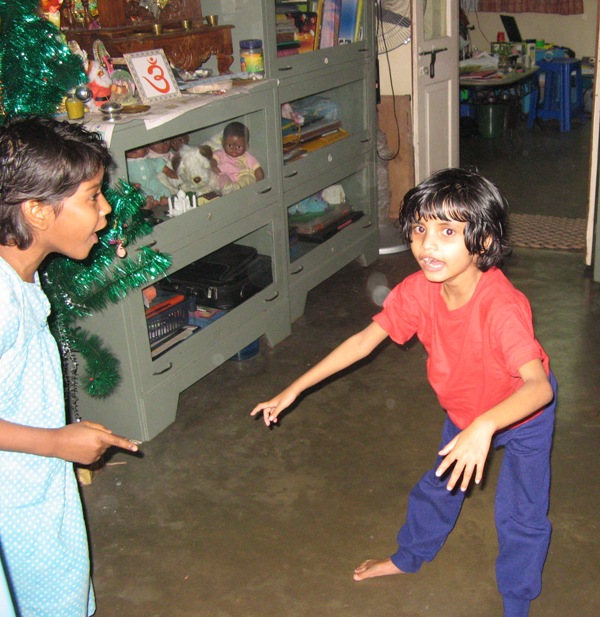
- The children did not understand HOW to study and learn, so these skills and disciplines had to be taught alongside the basic skills. Sitting still was a challenge for them. The children were energetic and enthusiastic about learning. This was also clear from the beginning. They actually knew what they had missed and threw themselves into the work.
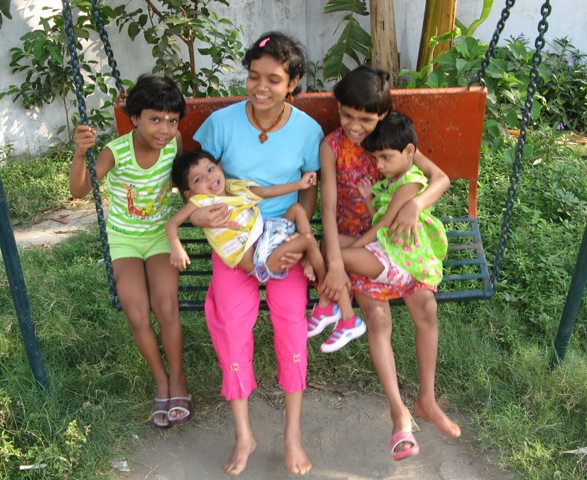
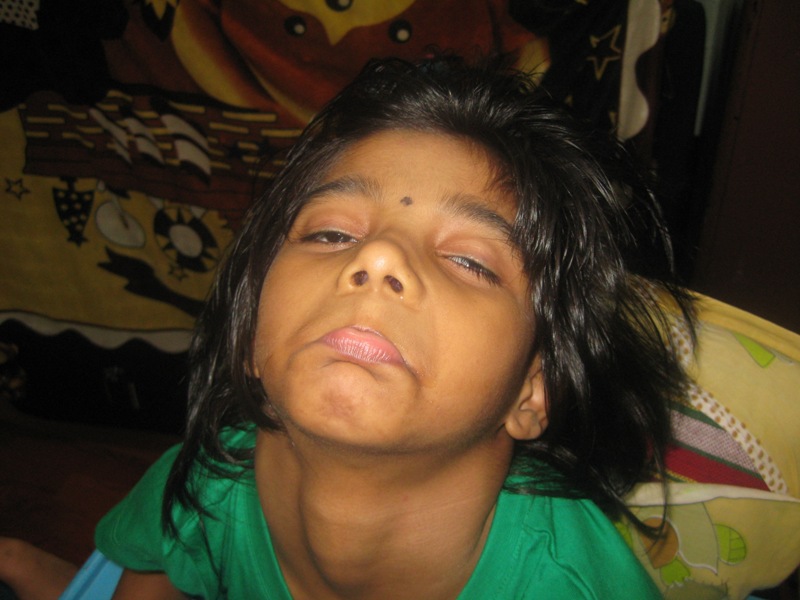
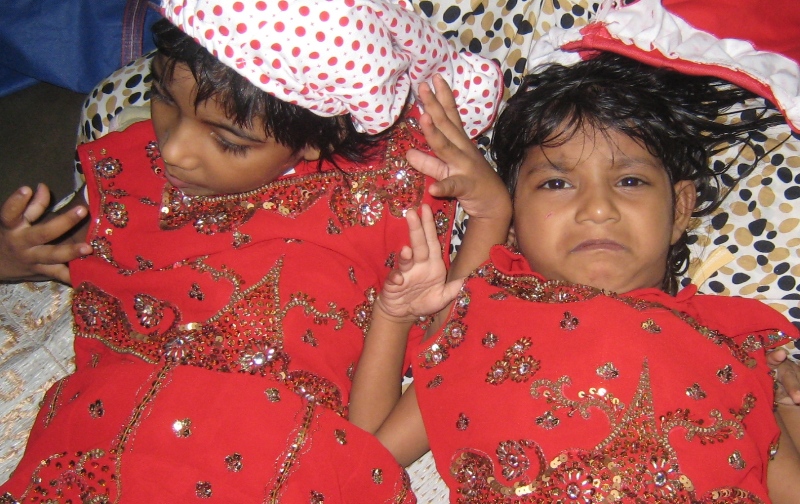
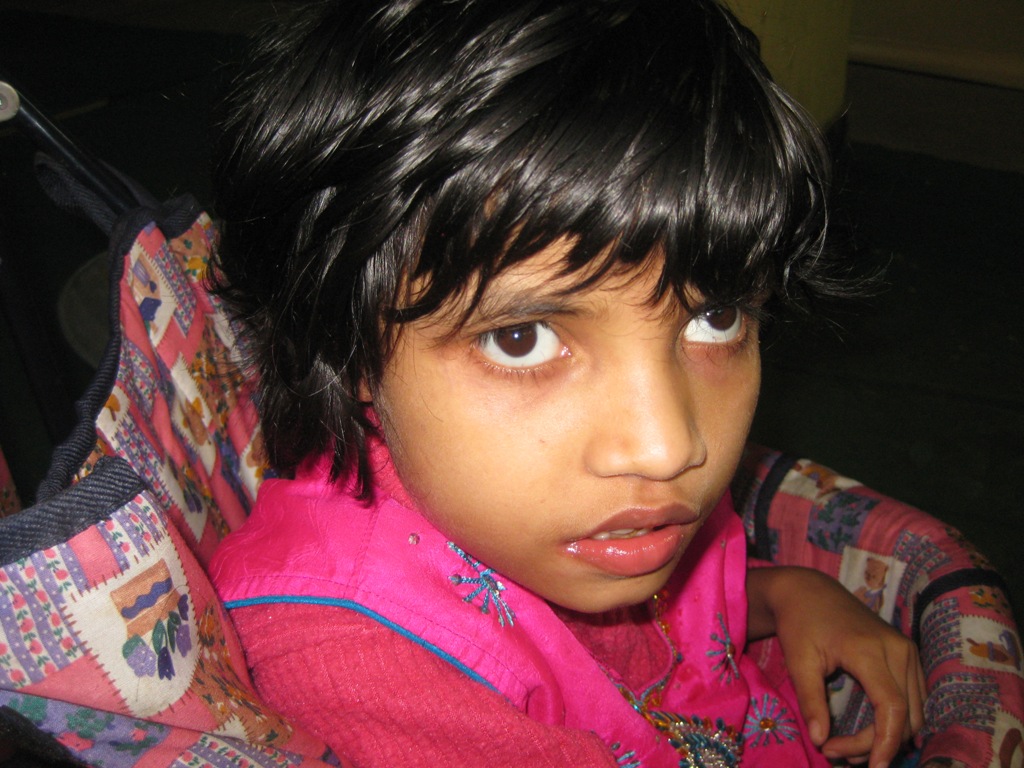
- The children with disabilities were listless and non-communicative when they arrived. They had little control of their heads and limbs. One would just spin in circles; another would bite anyone or anything within range of her mouth. It was unclear as to what they might eventually be able to do. Our initial focus was on feeding and holding. Their diets had been primarily gruel of some sort; all were small and thin.
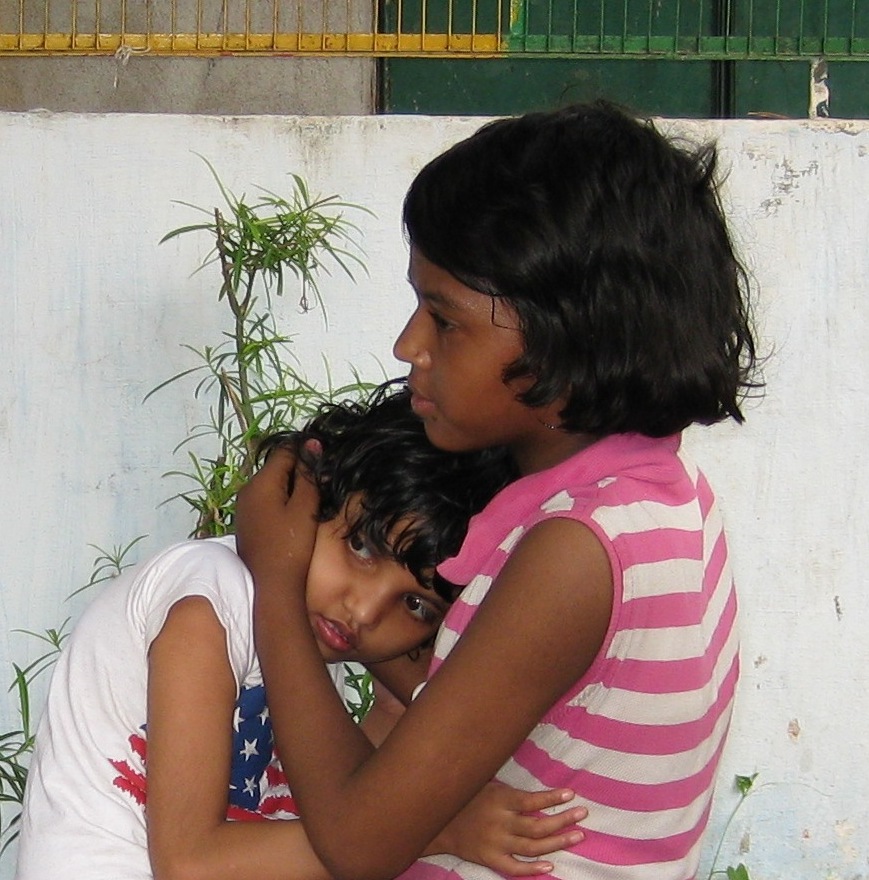
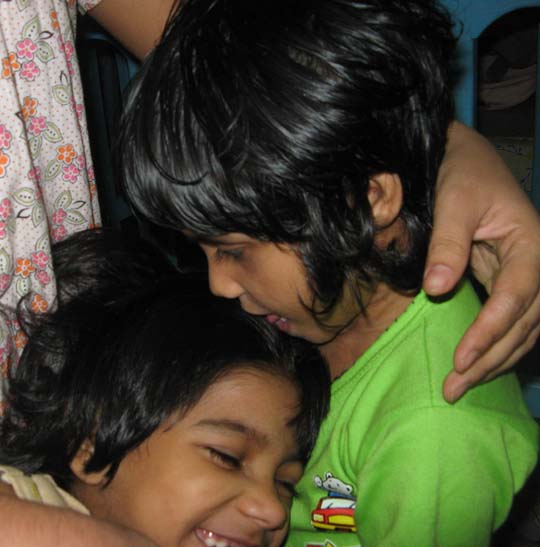
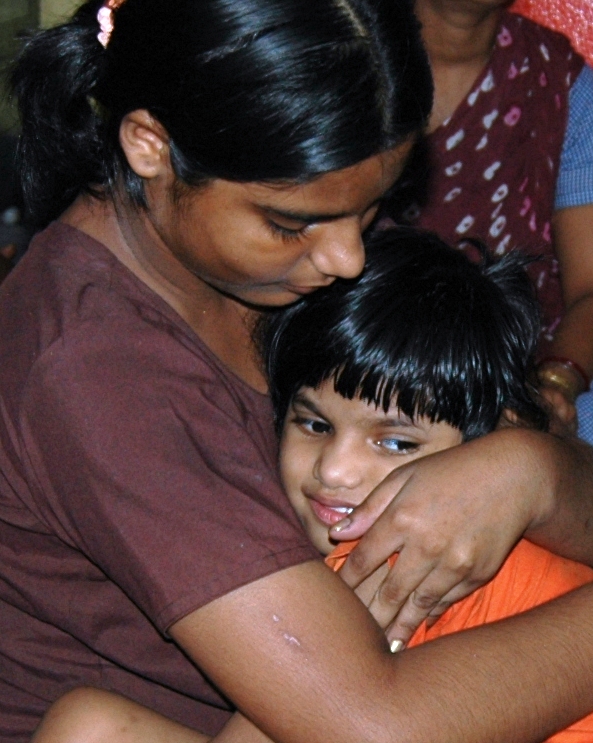
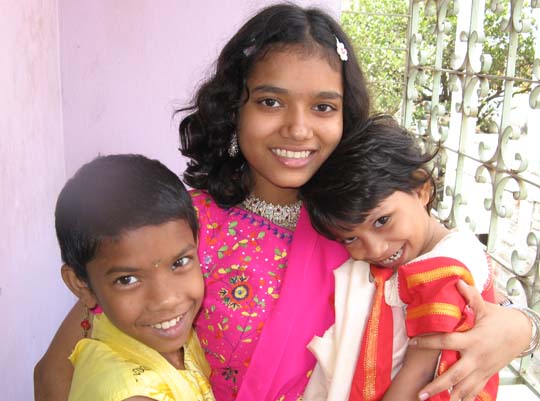
- A strong and caring relationship between the older girls and the children with disabilities became evident very soon. The older children began tending to the disabled children, holding them, and talking about their own lost families and siblings. Those relationships have become even stronger and more important over time.



Recent Comments