Seven Years Together at Shishur Sevay

A few nights ago I dreamed I was trying to put our records together and that required that I establish records on the moon first, which I did, and then replicated here at Shishur Sevay. I kept asking, “How can I explain to people that I had to get this done on the moon first?” I’m working on a blog post about the past seven years here. Maybe that’s the answer as to why the dream.  I’m feeling a lot of pressure, trying to write about what it’s been like, and probably holding back a lot on what it’s really been like. I’ve been to the moon and back…. that’s what was required.  It was cold and lonely and void of vegetation.

Shishur Sevay today is thriving.  It’s glowing.  It’s what I’d dreamed it would be. So here is the blog I was working on before I went to sleep, before I understood I’d been to the moon and back.  The process of building Shishur Sevay has been brutal, but the product is beautiful.

Seven Years Together
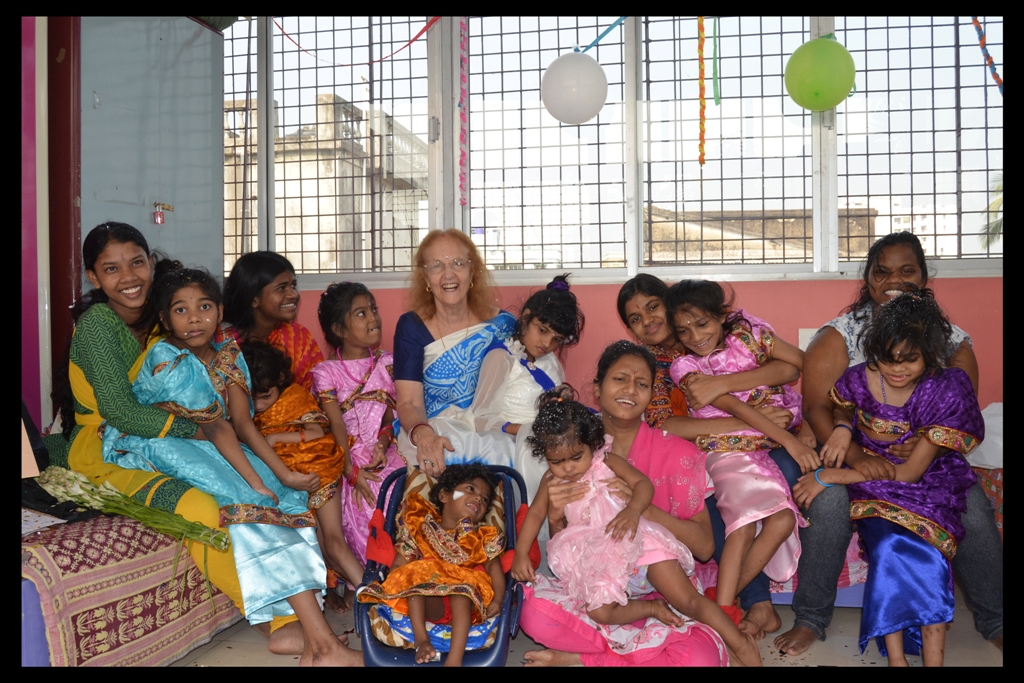
A picture of all the girls of Shishur Sevay and Dr. Harrison on her birthday

My Girls of Shishur Sevay and Me

The first twelve girls came to Shishur Sevay in February 2007, so for me this time of year is always one of reflection.  They came with an array of abilities, disabilities, and medical conditions.  All came with scars, emotional and physical.   They all were socially and educationally deprived, and had led lives filled with violence and deprivation.  Then at some point, each had lost everyone and everything: parents, siblings, extended family, and community, and eventually were placed in a government institution.  These are the children I’d sought, the ones considered not adoptable in India or abroad. They had been rejected by adoption representatives before they were sent to me for “rehabilitation” by Order of the Child Welfare Committee.   With adolescence, three of the girls became too unmanageable, with behaviors that put us all at risk. My decision to return them to government care was very difficult, and taken after many attempts over the years at various treatments and therapies, but necessary if Shishur Sevay was to be the safe place it is.  I had not expected ever to have to do that.

This year we started an inclusive school, Ichche Dana Learning Center because educating the girls in outside schools “did not work.”  The girls are beginning to put their efforts back into learning.  There were several factors interfering.  One was their early deprivation that left them far behind their classmates, while they were also older than their classmates.   Science is now giving us information on the effects of this early deprivation.

http://ecceportal.in/index.php/news2/136-more-talking-longer-sentences-help-babies-brains

At school the girls were seen as “different” because of their origins, and they felt different. Teachers lowered expectations; some gave them false high grades because they “felt sorry” for them.  Others ignored them, or queried them about their origins and caste. The Indian system of rote memory left them too frightened to learn anything but the paragraphs they had to memorize and give back, an impossible task when you don’t have the foundations of language, any language.   Ideas of self-discipline, hard mental work, and delayed gratification were as foreign to them as I was..  If work was hard it scared them.   They lived in fear.  It was time to bring them back and start anew, which is what we are doing and so far it is working very well.
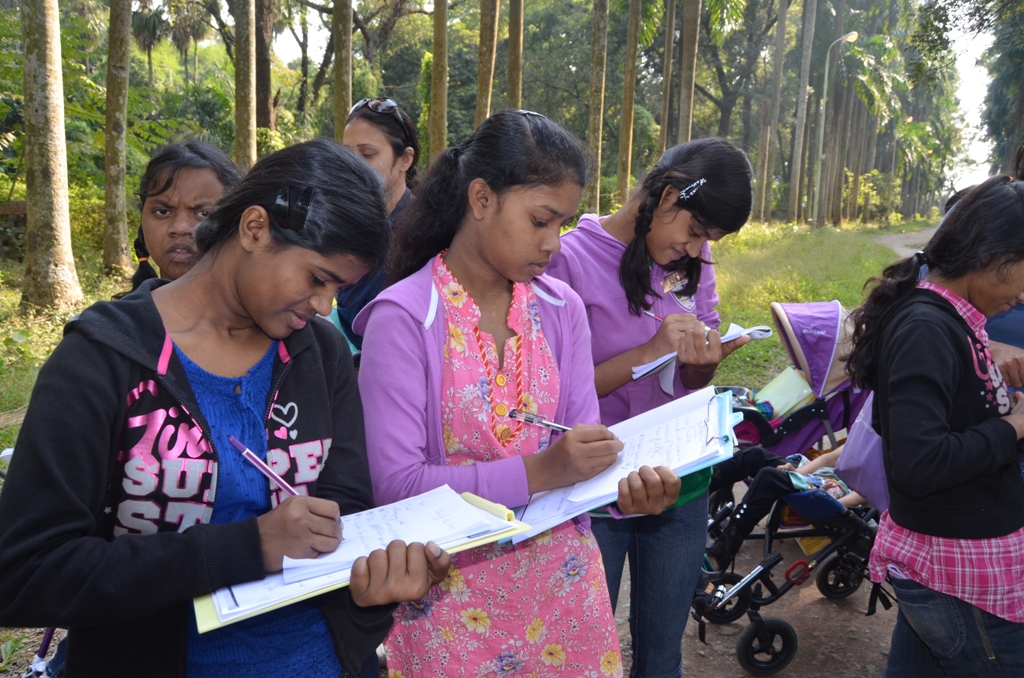
Girls taking notes at the botanical gardens.

Taking notes at the Botanical Gardens
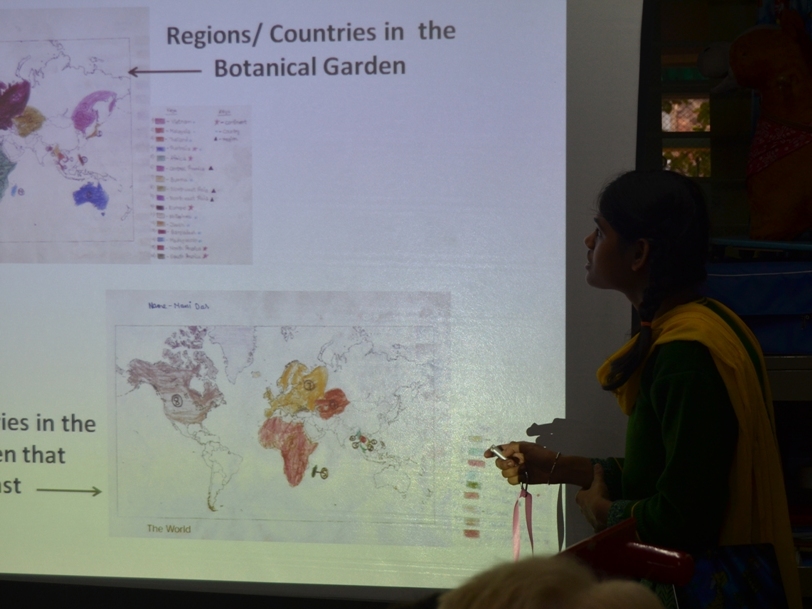
doing a presentation of trees of botanical gardens

Presentation about the trees of Botanical Gardens

The girls did a presentation of their work to volunteers from Equal Health,a team of Australian educators who were with us  in January.
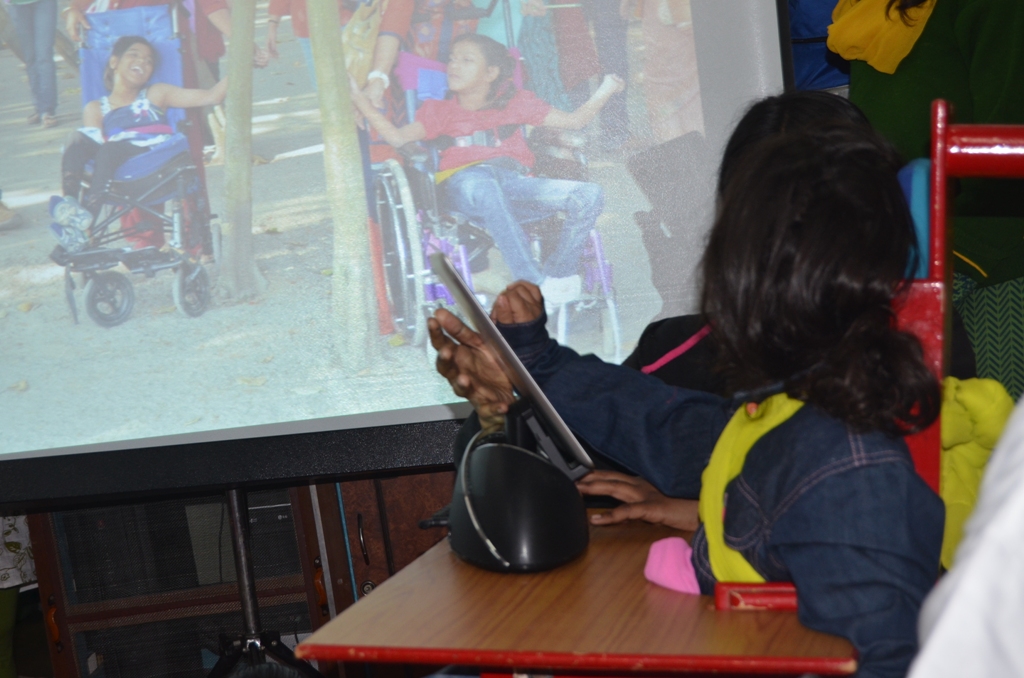
Ganga Presenting

Ganga Presenting

Ganga and Bornali both presented by use of the iPad and the recorded script.

This is inclusion.  Everyone is able to learn something and to contribute.  Some of the coursework has to separated by level of understanding and skills in reading and comprehension, but the ideas and subjects and methods of presentation can be done by all.  And our children with the most severe disabilities, even if they can’t join in, they still make wonderful and appreciative listeners.  Everyone has a role.

Our eventual plan is for the girls who are able, to enroll in the National Institute of  Open Schooling which will allow them to sit for Class 10 and 12 examinations. We will send to college those who are able.  We will look at job training for others.  Some of our older girls may need to stay with us.  I’ve promised marriage to those who want.  We talk about dowry because it’s integral to the world they live in.

This year though, I find myself thinking a lot about our girls with the most profound disabilities and looking at the therapies and methods that have and have not “worked.”  The children thrive on attention, especially one on one!  If I were in the US, I’d be thinking about finding teenagers to just play with them, floor play, songs, things I’m familiar with.  I haven’t found that here.  My experience (and I add the caveat that I can only speak for my involvement with families since 2000) is that teenagers do not “babysit” or work outside their families.   Play happens sometimes as “therapy” by professional therapists, but that means it’s a very limited and expensive resource. As for cognitive tasks, my little ones would rather be dancing.
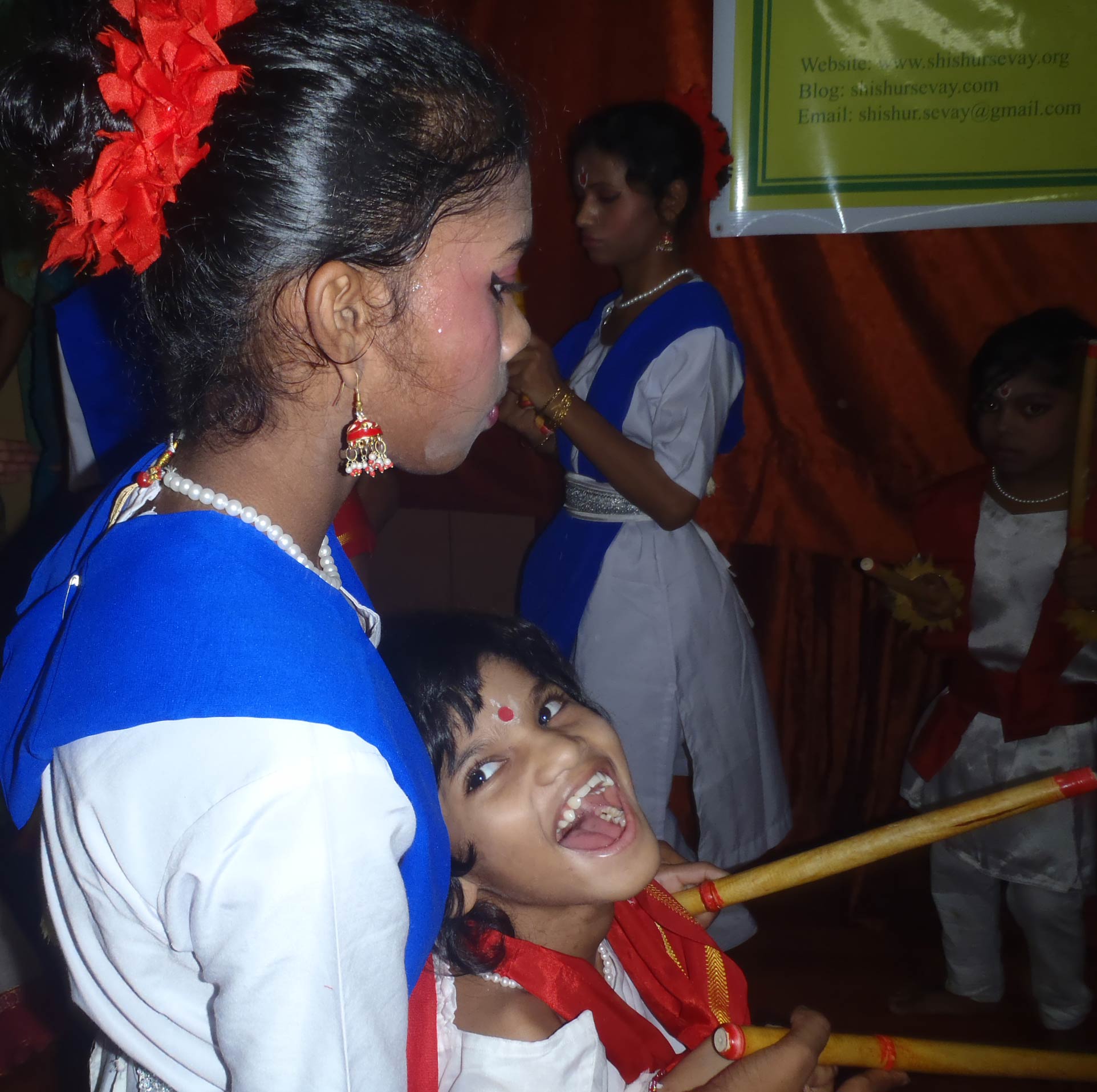
She'd Rather be Dancing

She’d Rather be Dancing

One day I will tell the story of what it took to get here, but Shishur Sevay is a wonderful place now and that’s how the journey must be seen.
Theater: Laughter at the Expense of Those With Disabilities

We attended a drama, Anubhav, by Ramaprasad Banik, being put on by the Theater Group of Nehru Children’s Museum at the Academy of Fine Arts.  It was presented as a play about the emotional sensitivity of children, and it took place in a school for boys.    I took the five big girls, Kalpana,and Ganga (in her chair).  Seema Gupta, on our Board met us there.  She had friends whose children were in the play, an she had gotten the tickets for us.  She had also clarified in advance that we had one child in a wheelchair, and it was agreed the chair would be next to us in the aisle.

We were on the early side and went right in.  We found our seats in the second row, up to the aisle, but the aisle was so narrow, the chair totally blocked the aisle.  So I moved forward temporarily to the front row and put the chair in front of me, leaving a very wide area for people to pass.

“Madam, you must move.  This (the child in the chair) is blocking the way.”

Me: “Well there is still a lot of room for people to pass, but there is no room in the aisle for anyone to get past.  I have a seat just behind me, with the others.”  He looked back and figured out  we were a group.  I added, ‘We arranged all this in advance.”

“Madam, you can move her to the back of the auditorium so she does not block the aisle.”

“You mean where she can’t see as much?  That wouldn’t be nice to treat her that way just because she is in a wheelchair!”    Iwas being as sweet, dumb sounding, and immovable as I could.

“Oh yes, well then move her over to the end of the row, by the exit.”

“Oh my, but then she can’t see the full stage.”

All this happened over about ten minutes, with different men coming to replace the ones who had been unsuccessful in moving us.  Seema Gupta was wonderful in trying to help negotiate, knowing I wasn’t moving, and as upset as I was. I talked to Ganga as this was going on.  I asked if she was OK, and I said we were doing this so people would have better places for people who needed wheelchairs.  She smiled, grinned, and seemed to get it.  I asked again if she was OK, and she grinned.

A compromise was reached, wherein Ganga would be in the front with me before the play and when it started I would move back into the second row seat on the aisle and she would be in the aisle next to me.  All I could think of was the fire hazard of this arrangement now that we WERE blocking the aisle.

The play was in Bengali but I’d heard that it was about emotional sensitivity, and there was an orphan in it… and I could follow some of what was going on.  There was slapstick… I kept noticing that.  Early there was slapstick about a boy who couldn’t speak.  He would open his mouth and words wouldn’t come out.  The others would yell at him to talk.  His mother hit him over the head.  The whole place burst into laughter, including Ganga.  But then Ganga couldn’t stop laughing, couldn’t get herself under control.  Because it was fastest way, I picked her up out of the chair and left through the exit.  I sat with her in the lobby, just soothing her.  She calmed down.  She was upset.  We just sat, her head against my chest.

The theater group director happened to come by and said hello.  He had no idea what had gone on.  He was proud of the production, and said it was good our children were here “because it’s about these things.”  He talked with pride about his school, and the boys… (he then quickly added girls) who were in it.  But the play was a boy’s play.  There were NO good parts for girls.  They either were girls who giggled, or mothers of the boys.

I tried once to carry her back in but she started uncontrolled spasms of laughter as I opened the door.  But during intermission we did go back in.  I carried her in and sat with her on my lap, which is where she wanted to be.  Usually she would rather be with the big girls.  She didn’t laugh.  She was somber.   In the final scene the boy who can’t talk was being goaded by another boy.  Just another happy ending.

I just kept thinking how glad I was that Sudip wasn’t there, my Secretary with CP, who lives it all.

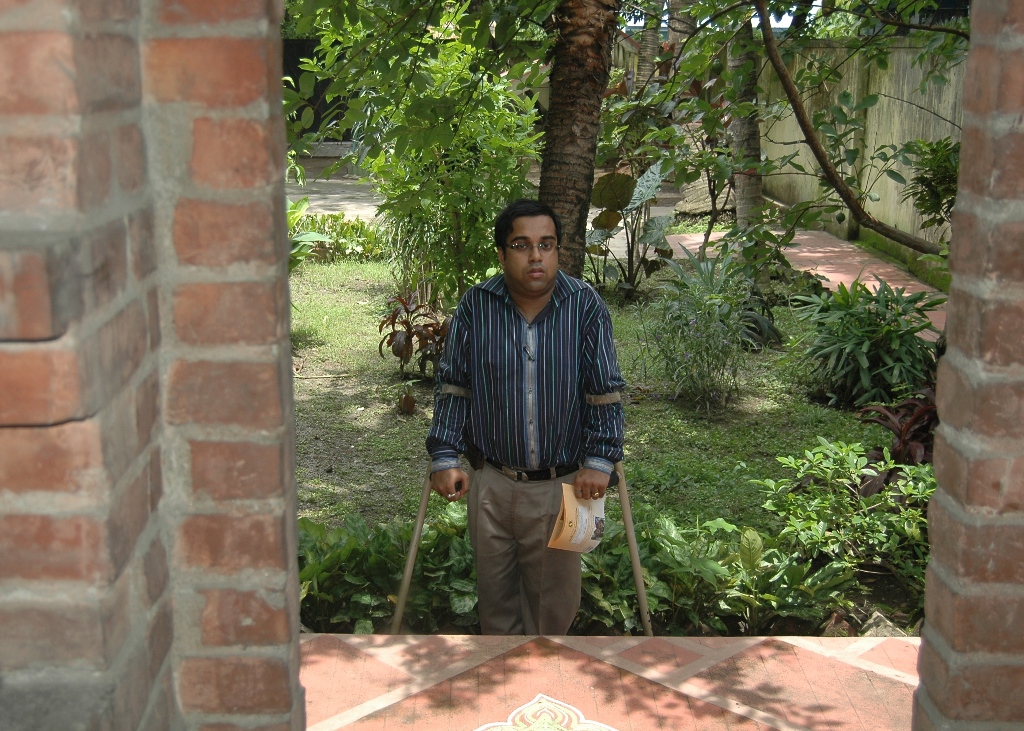
A few days ago we visited an NGO, which is part of an international group that serves the poor and those with disabilities.  Sudip had visited them seven years before as part of his activism with Ankur in Disability Awareness and they remembered him fondly.  We visited all their buildings and grounds and then they took us to the meditation room, a beautiful architecturally designed brick structure, but inaccessible to those with disabilities.  This had not changed in the seven years since Sudip had been there before.  I asked what they did with people in wheelchairs, whether they just carried them in.  “No, they sit outside the building.”

From inside this beautiful meditation room, I took a picture of Sudipendu Dutta standing outside.

Sudipendu Dutta on crutches standing outside inaccessible meditation building

Sudipendu Dutta Outside the Ashram’s Inaccessible Meditation Room

Ganga’s Disability Story… and other matters of the day

Ganga’s Disability Story (click to open)

I am trying to put Widgit ©symbol language into the website that is being developed, and this blog.  It looks like I may not be able to do it in the blog.  But I was able to link a pdf file to the blog and it seems to work.

Ganga knows she has a disability.  In fact she knows she has CP, or at least she recognizes anyone else with CP.  I know from living and working with her, that sometimes she is very upset that she cannot do what other children can.  It is compounded by her constantly being seen in terms of her disability rather than her intellect.  The world of children, people, with disabilities easily becomes the world of caretakers.  The children sit and listen but cannot talk to each other, nor can they have any influence over the discussion.  Ganga wants to be with the older girls.  She wants to study with them, listen to their teachers, make comments, and even sometimes be naughty like the others.  I founded this home.  I live here.  I hire the teachers, but still it is hard to make this happen.  Ganga is happy with someone reading to her from an encyclopedia but she is often left with the group doing nursery rhymes.  I keep trying to find teachers for her, but also trying to balance a situation where some people think I’m out of my mind and imagining her intellect.  I’m writing this because it MUST be familiar to others.  Most of our struggles are fundamentally quite similar, wherever we are.

Ganga is learning to use a head pointer on the computer.   I am short of people who can teach or use computers.  Today the special educator was using a real mouse with a child with CP, simply taking her hand and pressing the mouse.  I hooked up the switches (I’m the IT dept here too) but then had to stop the teacher from hitting the switch.  You have to give the kids time to respond.

The rest of the day was spent dealing with a new crisis with the older girls.  They had begun receiving tutoring (called tuition here) in their school after it let out.  It’s a common practice.  But it seems the principal has forbidden the teacher to teach our children so we had to make other arrangements.  I can’t say more.  I don’t want the kids kicked out because mom says too much.  But if India is serious about corruption, it should start with the educational system which (in my opinion) is far more corrupt than the government and far more serious as the minds and futures of the children are at stake.  And it teaches children very early about the power of money and influence.

Ganga looks up to her Didi with CP

Ganga looks up to her Didi with CP

Here is the link again to the disability story I wrote for Ganga: Ganga’s Disability Story (click to open if you didn’t before)

It’s 11 at night here and I’m just going to post this and go to sleep.

(Widgit Software a product of www.widgit.com; ©)

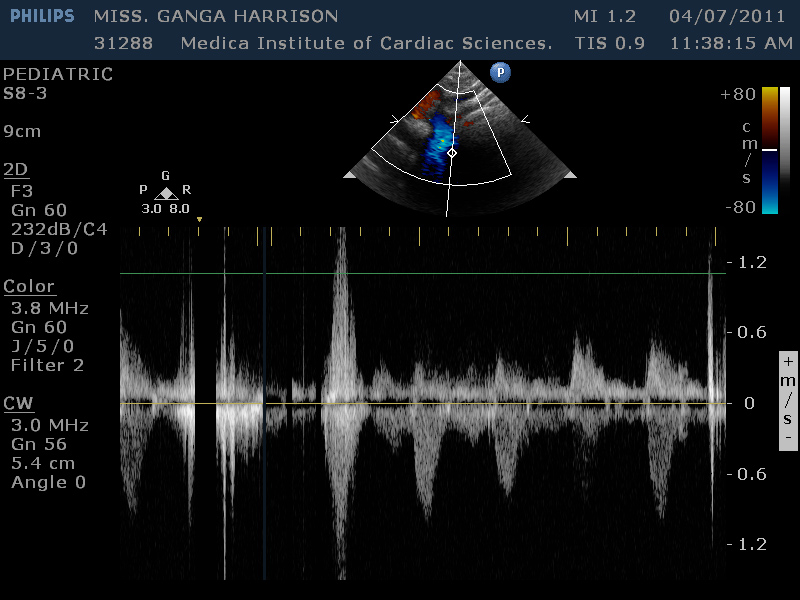
Ganga’s Pediatric Cardiology Consultation

Ganga and Dr. Dhritabrata Das

Ganga and Dr. Dhritabrata Das

Beautiful and surreal.

Forbidden movies

Previous Older Entries Next Newer Entries

August 2026
S M T W T F S
 1
2345678
9101112131415
16171819202122
23242526272829
3031