Hungry Orphans

 
Aunty has been going to the Child Welfare Committee, trying to get transfers for her children.  Each time she is told to come back in a few days.  “They are busy.” Wednesday we went with her.   

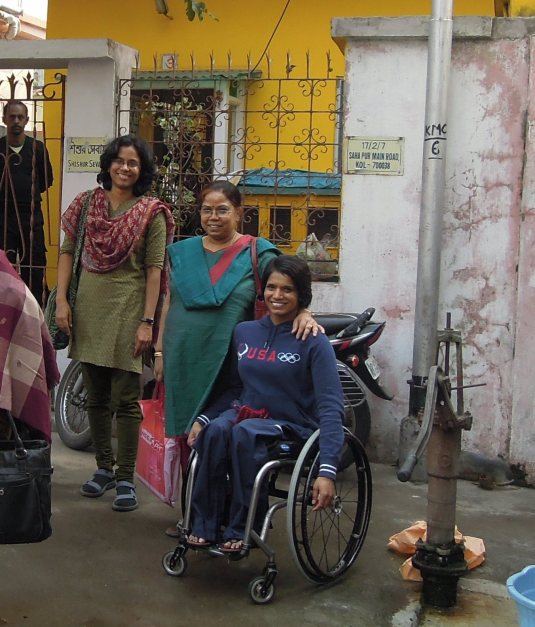
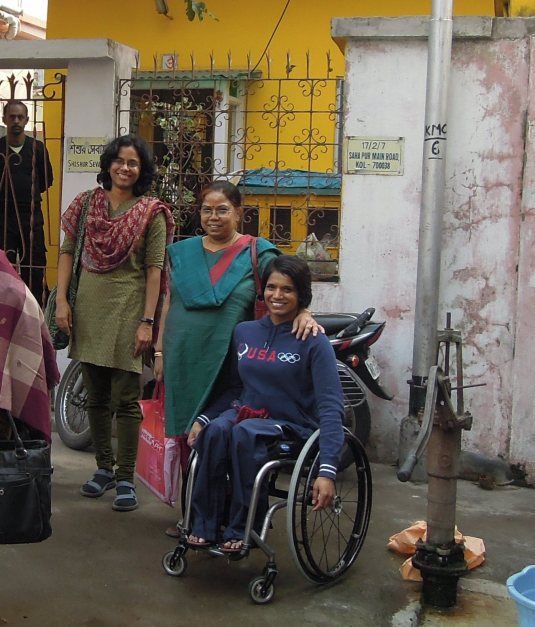
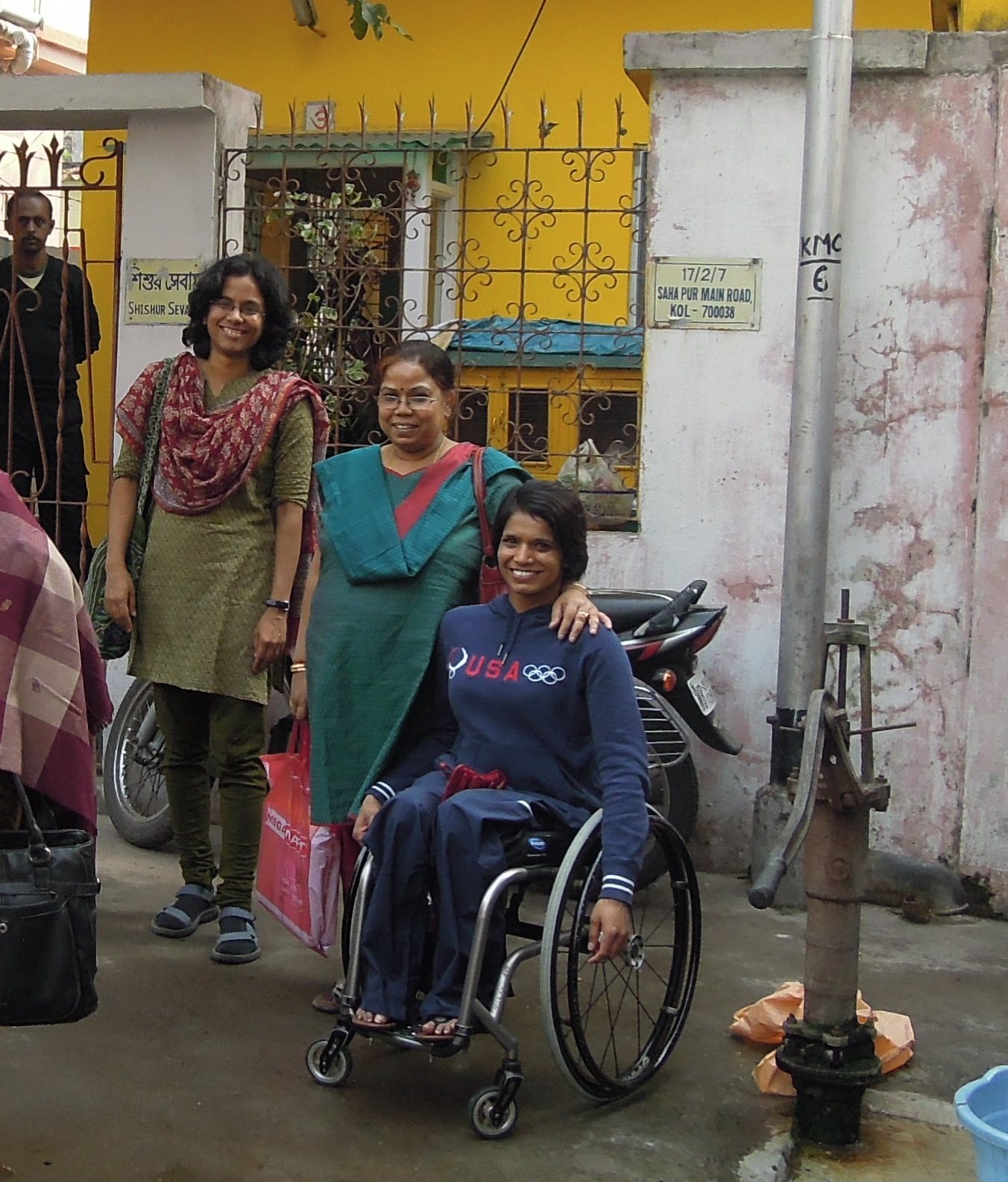
Aunty’s Support Team Leaving for CWC, L-R: Purba Rudra, Ph.D, Academic Director; Jasvinder (Gibi) Kaur, Vice-President and co-founder, and Maggie Redden, Director of Communications
To Date: The eight hospitalized children are back from the hospital, some having lost weight; the community at large has become belligerent because of unpaid grocery and medicine bills; the staff is taking what food they can, as they have not been paid and they also have families to feed.  Aunty tripped and fell over a brick in the walkway of the Home a few days ago, so she is having trouble walking, and she is in despair over what to do with the children.  She is 75 years old.  This is not how she wanted it to be.  The government says, “The check is in the mail.”
 
We went with Aunty to the CWC, the Child Welfare Committee, which is charged with decisions about welfare (placement) of children. 

I’m writing at midnight and tomorrow I will take some action regarding the starving children with disabilities, but before I turn in, I just want to summarize yesterday and today.  Yesterday the government agreed to transfer six of the children, the older ones, to another home.  They wrote the order.  Today Aunty’s staff took the boys to the new home, and the home refused to take them.  I can’t quite figure out why as the phone connection was poor.  Aunty called everyone she could think of, but there was no way to get the boys admitted, so now they are back hom.
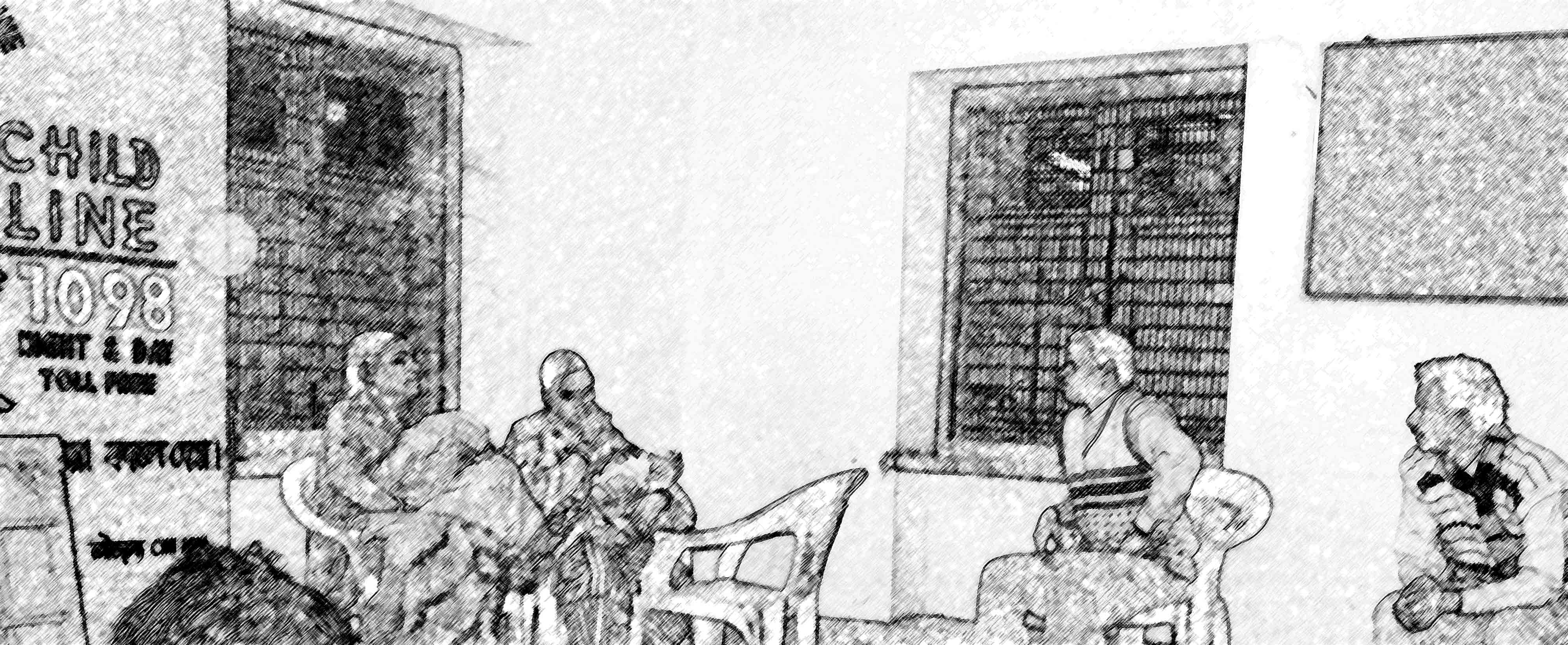
 

 The waiting room of the CWC is an interesting place.  First of all, there is no security, and people just wander in off the street, or groups congregate outside.  It is also not accessible.  We had to carry Maggie up the entrance steps.  Shishur Sevay has  guards 24/7.  No one enters without signing in.  (The guard can be seen in the top pic as the team is leaving).     Shishur Sevay no longer has steps, only ramps.

I’ll try to explain all the connections that went on yesterday.  The above sketch is of people from an adoption business.  Cici and I visited there in January 2004.  The room was freezing; the babies were laying on plastic sheets, and only partly covered by tiny blankets that they said had been donated.  The babies were so cold, ice cold hands and feet.    Now eight years later, two of Aunty’s children come from that home, the children for whom the agency could not get any money, and eventually gave to the government, and then to Aunty.  Initially the agency supplemented government money with “sponsorship” money but then they stopped paying.  There is no legal agreement.  These children are the byproducts of adoption, the human beings no one wants. .  So here I sit, looking at two ladies holding two babies who are now in the custody of this orphanage.  They are here at CWC to make it legal.  If those babies are OK they will be adopted; if not they will eventually become the responsibility of the government.

In another part of the room, a social worker I’ve met before sits with a group of older girls.  These girls have all just been rescued from trafficking.  They look lost.  One has family that has come, as her mother had been hunting and hunting.  The girl had been kidnapped and imprisoned by a family member.  I’m not sure this young woman will ever be ok.  That’s just how rape is.  I know.   I tried to tell her she will be OK.  I made her laugh.

At the CWC, Gibi goes in with Aunty to meet the Committee.  I stay in the waiting area with Purba and Maggie.  This CWC always finds reason to yell at me, and the job now is about the kids and I’m a distraction.  Gibi and Aunty go back 30 years, so they go to meet with the Committee.  We wait.  Gibi comes back;  The Chairwoman has called and called, but no one will take the older boys.  These were from the group of 10  boys sent to her one day, already on their way to her when she received the call, and tried to refuse.  Now the government has no place else to put them.  They tell Aunty, “No, No, We will help you.”  They have said the same for months.  Then the Chair turns to others in the Committee room, representatives of other NGO’s and scolds them for not taking these children.  They are accused of only taking children who have relatives, and treating these orphans as GARBAGE.  That is the word that is used.  The Chair is saying the NGO’s treat the orphans like garbage. 

Back out in the waiting room, Gibi reports all this.  As she says the word, “GARBAGE” I see Maggie wince, tears welling up, and I know what she is thinking.   Maggie had polio; she was adopted by an American woman 25 years ago.  She was one of the unwanted, one of the very lucky unwanted.  She sits there, a paralympic champion wheelchair racer, a Nike representative, a Polio spokesperson, University graduate and independent woman, and she hears the words of how orphans are seen and treated in her “homeland.”

Everyone seems happy at the Chair’s angry words, but I’m thinking, ” Why should orphans be the responsibility of NGO’s?”  Why don’t NGO’s want to take these children?  Well, for a start the government doesn’t pay enough to take care of them.  The government money is like seed money, meant to start the system going and then the NGO’s have to raise funds for the real cost of the children.  In this case, the seed money comes late by months.  NGO’s have to depend on their fund raising, their ability to make their cases for charity, in some ways not so different from begging.  “Please, Please, help these orphan children!”  But why?  Why should an orphan’s life depend on the charity or fund raising ability of  “NON-Government Organizations?”  The government shifts its responsibility.  If no one wants to give money, the children go hungry.

Hungry orphans are not an accident.  They represent a society’s decision not to feed them. 
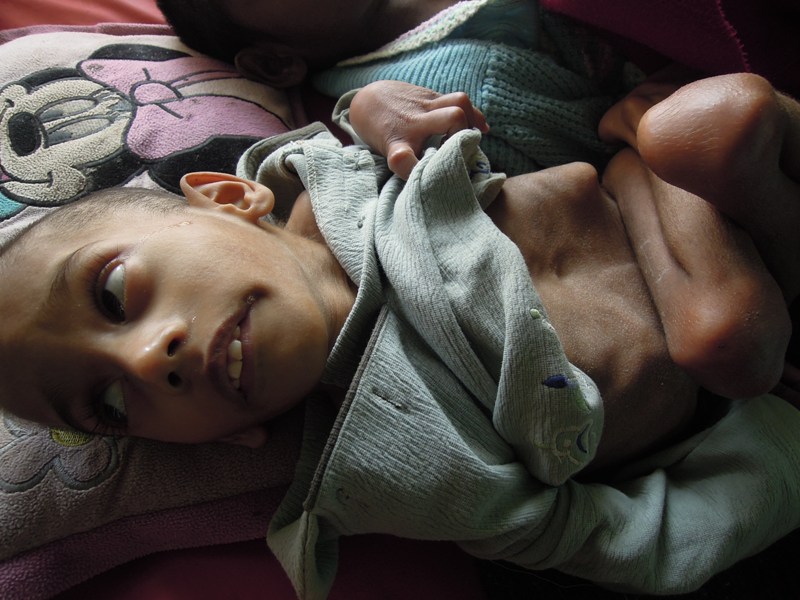


Lives of Abandonment

Today a large delegation of legislative dignitaries came to visit Aunty’s Home.  I wrote a report of what we had experienced in trying to find proper care for the children in her home.  Here is what I  gave to the dignitaries. 

Dr. Michelle Harrison

Founder and Board Secretary

Childlife Preserve Shishur Sevay

9830240182


                                                                                                       Summary Report on Conditions at

AUNTY’S HOME

24 December 2011 to 24 January 2012


Childlife Preserve Shishur Sevay is an NGO established in 2006 for the care of orphan girls, some with disabilities.  We visited 24 December as part of our community service and outreach.  We found that conditions had deteriorated.  Aunty wanted my medical advice as I am familiar with the problems of running such a home. 

  • CWC sent 10 boys over the objection of Aunty, boys with severe behavior problems in addition to their disabilities.  They have been violent towards the other boys, and stealing food from the younger ones. These boys raised the number of residents above sanctioned number, but more important seriously disrupted the peace and functioning of the home.  The government has not been able/willing to take them back and relieve this crisis in spite of Aunty’s appeals.
  • Funds ran out as expected government funds did not come, and private funds also did not materialize as expected.  Most staff left; physiotherapists and educators could not be paid and did not come.  Medical help likewise did not arrive.
  • The children with severe disabilities cannot walk, or feed or toilet themselves.  Without staff, the children could not be bathed or fed properly;  The children lost weight.  They require specialized staff so they do not choke.
  • Beginning on 24th December we started hospitalizing the most frail children at XXXXXX Hospital.  They were discharged after 2-3 weeks because doctors had all gone to Gangasagar Festival.  The children lost weight while in hospital.  No test were done, no medicine given for infections.
  • Shishur Sevay agreed to take one child who was misdiagnosed as MR.  This was done through CWC.  At that time the CWC in XXXXX was made aware of the problem that the children were being discharged but they were unable to prevent the discharge.
  • Local merchants became belligerent because they were not paid.  The children were not de-wormed. 
  • Aunty alerted the CWC Kolkata that she was over capacity and needed to transfer the ten boys.  She went several times and was put off until next meetings.  Finally on 18th January she was given an order to transfer six boys to another home.  However on the 19th when she took the children there, that home refused to take them and sent them back,
  • 20th January 2012, I hired an ambulance to take eight weakened children who had been discharged from the hospital to CWC Kolkata.  Aunty was out of options for their care, and was honest in the problems facing her home, namely that she considered it sub-standard and did not want to keep children under these conditions.
  • 20th January 2012 CWC Kolkata said they had no place to send the children.  We learned that there is no government facility for multiply disabled children and they said the children would have to return to Aunty’s.  They were however able to convince Sr. XXXX at XXXXX to take two children temporarily, and were able to get the child with a head infection admitted to a hospital.  The other five returned. 


I am a retired doctor, psychiatrist, and professor from the US. Before retirement I was with Johnson & Johnson Corporate as Worldwide Director of Medical Affairs in the consumer division.  I have been involved with care and education of children in West Bengal since 2000.  I founded a home for orphans in 2006.  I stay there with the children.


  1. The care of children with disabilities is labor intensive as the children cannot move, eat, toilet on their own.  This makes their care far more expensive than that of abled children.
  2. Homes cannot operate without funds.  The current system assumes that NGO’s will find private donors, in India or abroad to pay the real costs of care, while the government’s funds are insufficient.  Essentially the government is saying to the NGO’s, find someone to pay for these (government) children.
  3. Hospitalization is not free.  Staff must be supplied to care for the hospitalized children, as well as food, medicines, and laboratory tests.  Even warm water for bathing a sick child has to be purchased.
  4. The above refer to basic survival of the children with disabilities and does not address rehabilitation, quality of life, education, play, security, and affection.  Those don’t happen without staff and professionals, and they don’t come without payment.  Though abandoned by families, these children should not live lives of abandonment.


 Respectfully submitted,


Dr. Michelle Harrison

Secretary

Childlife Preserve Shishur Sevay

24 January 2012

DSCN5770cr

DSCN5770cr

Aunty’s Support Team Leaving Shishur Sevay

Image

K’s Progress: 9 January 2012

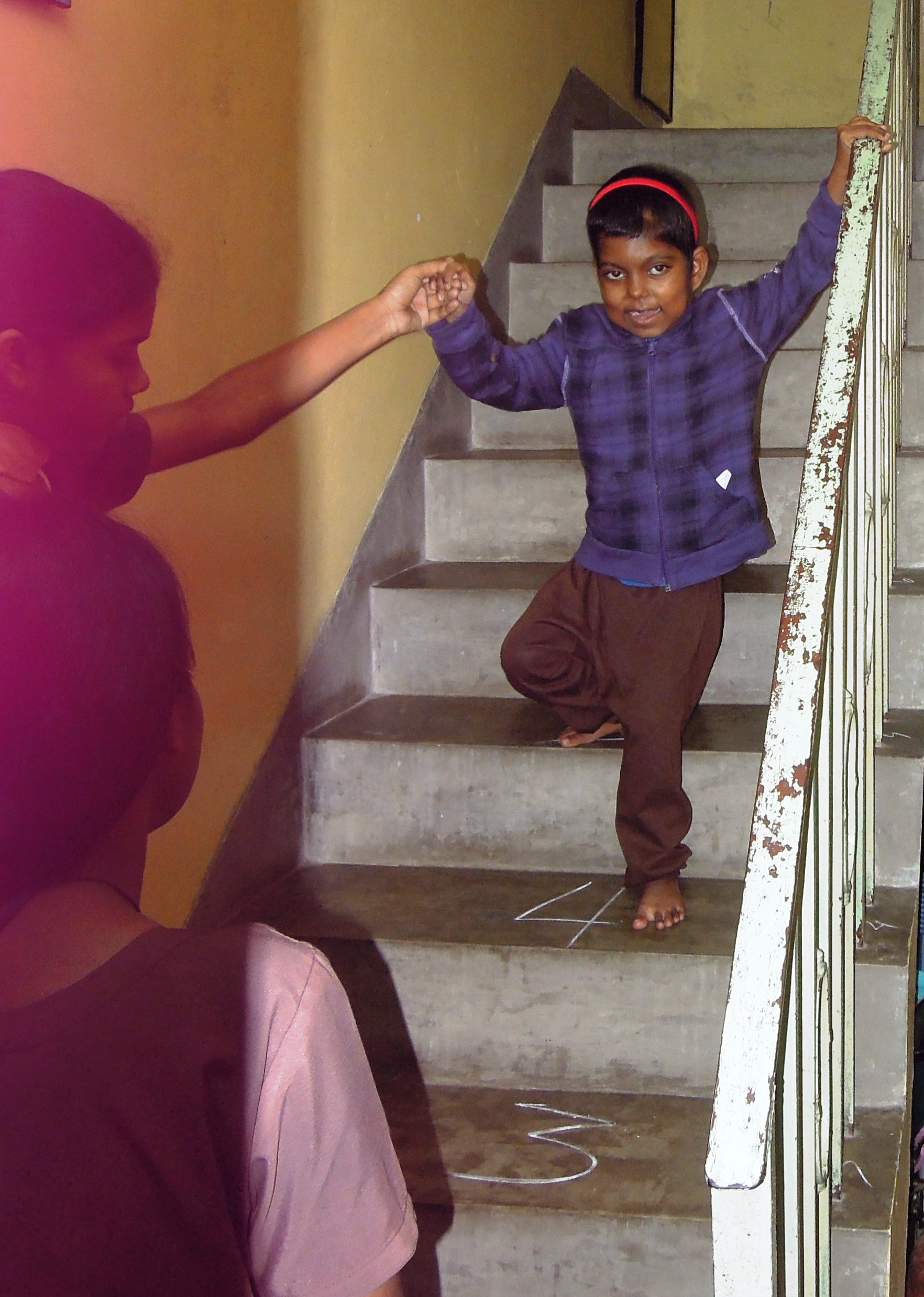
K learns numbers on the steps

This is TOO TOO funny!  When the girls came in 2007, I tried many ways to introduce math concepts.  One was to number the steps so they could easily understand one more and one less.  The girls and the teachers thought I was nuts, and no one would use it for understanding numbers.  But apparently it did leave an impression.

Last evening one of the girls asked, “Mummy, remember the numbers you put on the steps?  Could we do that for K?”  And so they did, and taught her the numbers, and up and down.  They love teaching her.  They have infinite patience and never scold her.  They delight in every achievement.  They also delight in seeing her with me.  There has always been some tension around Ganga’s attachment to me, and mine to her.  So somehow seeing K with me, knowing how hard I worked to get her and her contentment on my lap is really important for all of them.  I guess also she is allowed to attach to me the ways they are all hesitant.  Each morning they make sure she says hello, good morning Mummy, and before bed she is brought to tell me good night.    They want her to be what they have had trouble being, and to learn what they have had trouble learning.  It is beautiful to be in this process, to see how they will be as mothers, different from how that would have been without Shishur Sevay.

Ganga is accepting her role as big sister who has to share Mummy more.  Her difficulties with K are the moments when she realizes K’s ability to walk, eat on her own, say her name, hold the pencil…. Ganga gets sad,  but she will be fine too.  A new child is a new adjustment for everyone, including me.

I continue to work with Aunty to get the children transferred out of her home and into more appropriate places.  And I ponder a lot, who will care for the children, particularly the orphans who can’t even walk or talk or feed themselves, or reach out for human contact?  A long succession of people contributed to these children being as they are.  First is the woman who gave birth, then whoever decided to give up the child, then the people who had the children for years who didn’t feed them or rehabilitate them. The adoption agency that could not “place” them.  Then there is the government that had to be involved along the way, assigning the children to one facility or another, licensing the places these children have been.  How do you get a five-year old who is 7kg?  It’s called starvation.  It isn’t an accident, but rather a series of policies and individual decisions along the way that this human being was not worth feeding.  

I googled the quote about a society being judged by its care of the weakest….  and it doesn’t really trace back to one source, but rather a general statement of the “should” of caring for the weakest, lest the nation or society be judged badly.  I wondered why it was an issue of judgement, rather than of moral imperative, so I googled moral imperative.  I seem to have been gifted with a good dose of moral imperative that drives me.  But then I thought about society where there is NO moral imperative.  So then I moved to “Rights” as how we have to address these issues because then it doesn’t matter whether people care or not, they have to enforce rights….. Well, that is my thinking journey this afternoon.  Aunty came by and I typed and printed the letters she needed to try to get the government to relieve her of the violent boys she cannot manage.  

It’s REALLY a mess here!  I think I’ll go count steps with K.

Previous Older Entries Next Newer Entries

August 2026
S M T W T F S
 1
2345678
9101112131415
16171819202122
23242526272829
3031