DON’T PATRONIZE THE ORPHANS

I started this post almost a month ago and updated it once already, now twice, and I just posted a "quick post" about today 6 February 2010, and now it is time to get this post done and posted.  I'm not sure why it is so hard.  I've struggled over education for three years now… and finally feel confirmation of what I've believed needs to be done — there is much I would do differently.  I was clueless about cultural differences in education, in spite of years of sponsoring children here.  I was clueless as to how to get good teachers since there is not a cadre of people who want to teach orphans.  I made assumptions of what teaching was, based on my US experience.  And West Bengal is close to the bottom in education in India in many ways.  I spent so many years "idealizing" the city of my daughter's birth.  I don't think I underestimated what it would take to educate girls who came from such deprived environments — and I'm not referring to living conditions, but to the violence and disorganization of their lives.  But i think others did underestimate the effort it would take and still takes.  As with adopted children, too many people thought they should just be grateful, forget their pasts, and shape up to make me happy.  It doesn't work that way, and shouldn't work that way.


The girls got a wake up call from their school a few days ago, but didn't tell me.  They waited for the school to say something.  Lo!  they were not doing as well as they thought!  Last night we had a meeting about it all.  It's partly described in a post I did but doesn't seem to show up all times… but they got re-inspired for work, and today surprised their teachers with their enthusiasm.  Fundamentally I'm happy with their continued progress at whatever rate it is.  Sure, I wish it was faster, and easier but I'm more committed to understanding what it takes to educate them than pretending they have been easily or magically educated.  The girls need a huge amount of personal support and encouragement.  The best ratio would probably be one teacher to two students most of the time.  They are easily discouraged, which they evidence either by quitting, or by announcing they already know it and so they don't have to study.  (not so unusual of course). 


I'm not going to try to reorganize all this… take it as rough draft, because if I do, I'll end up spending another month figuring how to write it.  I will have an Education Coordinator who will put the teaching program together, based on what we know.  It is a partnership with the girls.  It has to be.  At the moment it is a strong partnership.  Shishur Sevay is a happy place to be.  It's almost 11 pm.  I'm writing;' the girls are watching movies.  Saturday they stay up until midnight (those who don't fall asleep).  I usually fall asleep before they do.  Tomorrow they will get up early and take a walk to see a new school where four of them will sit for an entrance exam later this week.  Good night again from Shishur Sevay.


BELOW IS THE POST AS I STARTED AROUND 10 JANUARY 2010….


I'm sitting in our office going over the most recent assessment exams with our math/history teacher.  I insisted we evaluate the girls, and that the teachers NOT explain directions or give hints.  I basically said that any teacher who said anything other than "quiet" during the exams would be fired.  I meant it.  The girls are used to being coddled here and at their school.  "We feel so bad for them," is what I hear over and over.  I can't stand it.  I get so angry.  I tell teachers to feel sorry for the kids in ten years if they are on the streets because they aren't educated.

I wanted to know if the girls could read Bengali well enough to understand questions and directions, and secondarily if they knew the material.  The exams are prototypes of the school exams to be given next month.

The girls did poorly on all six of their exams: English, Bengali, Math, History, Geography, and Science.  I have to admit that when I saw the poor results I felt like an absolute failure.  But I also had validation of what I had suspected, namely that their inflated results had been the result of coddling and kindness, and teachers telling me what they thought I wanted.  The psychological effect on the girls has been that they resent having to figure things out themselves.   And it "goes to their heads," so they say to me, "We are doing so well, why do we have to study more?" 

*********************************************

I started this post nine days ago so I'll sum up what has transpired:

I learned that the girls still have poor Bengali grammar and some speak with thick village accent.  I didn't know that.  No one wanted to tell me.  The reason I put them in Bengali medium schools so they would speak, understand good Bengali.  I think what happened is that because they are orphans, people expect them to sound like orphans, so it was never identified as a problem. 

I met with teachers — confronted them really, as to whether they let their own children speak that way.  I took out my early study papers in Bengali in which I had created forms for conjugating verbs, just so I could understand person and tense.  The Bengali teacher left without notice, just didn't show up and turned off her phone.  This is common here, in spite of written contracts.  I used to think it was about me, and others around me said it was because of me, but now I'm learning that this is just a common way for people to leave a job.  Fortunately I found a Bengali teacher two days later and she will teach until end of the school year (March), and maybe stay later.  We are in the process of interviewing.

I met with the girls and we talked about grammar and accents.  No, they didn't know.  Some people had "corrected" them from time to time but they didn't understand the context.  They certainly didn't know about conjugating verbs and how to know what form the endings should take.  I said to them that good speech is like dressing nicely, doing your hair nicely, and speaking nicely.  It's all part of how you present yourself.  We are going to a wedding reception in two days.  The girls are practicing good grammar.

I have had many meetings with the teachers and we have gone over and over the exam papers.  The girls do not understand directions.  But in marking answers, if the teacher thought they knew the material, even if the answer written was not totally correct, and had misspellings, they still gave them full credit!  When asked why, one teacher said, "I didn't want them to feel bad."  An example:  The question called for "write a sentence about ……."  In every case the girls wrote several sentences to fill up the paper.  If one sentence was correct, the girl got full credit!  I went over this with the girls and the teachers:  If I ask you to bring me a ball, and you bring me three balls, then you are incorrect.  Either you can't read or you can't count.  But your response is not correct.

In the case of math, if the process was right but the answer wrong, full credit was given for the process.

I have been sitting in on many classes and although I don't "know" Bengali I do understand the process and i'm pretty good at picking up what is going on.  In geography class the teacher was teaching about industries in different districts of West Bengal.  The first was jute industry.  She told the district and then went on the the next.  I interrupted and asked if anyone knew what jute is.  Only one girl did.  How are children supposed to learn WHERE it is if they don't know WHAT it is?  Then she went on to "gala" which she could not explain even in Bengali.  The girls zoned out. But I called someone to ask about "gala" and put the phone on speaker and we all had fun listening to her struggle to explain it, and then we heard her calling her daughter for a dictionary.  We finally figured it out.  They will never forget gala.  Then I suggested they find the district on the map hanging there.  They searched and searched but when they were looking too far north, the teacher told them it was south of there.  I asked her why she told them… said she should let them look for themselves.  But that is exactly what doesn't happen here.  No one is allowed to fail.  Criticism is bad.  Get the right answer at any cost.  Cheat if you must.  I am in conflict with my environment.  I had not expected this in relation to education, but as I talk to more and more educators I hear the same.  And as I talk to more and more NGOs I hear the same.  The weak link is in the teaching.

I used to have teachers who would only do group reading, so no one girl ever had to face the anxiety of reading alone, and missing words.  I think that is mostly gone.  To me group reading is like chants or prayers, where you don't really need to know the words… just hum along… but never have to do it alone.  I still remember how it felt in second grade when I had to read aloud and missed one word.  I just couldn't figure it out.  To learn we have to have those experiences.  We have to tolerate frustration and anxiety.  We have to tolerate getting it wrong.  We don't learn by osmosis, or at least most of us don't.  And I don't know any shortcuts.

Conflict with my environment:  I feel the most cultural mis-match in the area of education.  But I have to admit this is not just related to India.  I had lots of conflicts with my kids' teachers in the US.  Mostly their teachers didn't like me, felt I was to strict and held standards for my kids that were too high. – I am much more of a traditionalist in education than I'd imagined I would be.  I like good handwriting.  I like sentences with a capital letter at the beginning and a period at the end, with a subject, verb, object in between.  I want the same here, with adaptation to the Bengali differences in word order.  In my school career the only "D"s I ever received were in typing and Latin.

So here I am, some 50+ years later, typing and typing, and remembering "to love" and trying to teach this way of thinking to my children here.

This is what I remember (well, the first part I remembered; the second part I asked for some help from Google):

Amare: to love

amo, amas, amat,…I love, you love, s/he loves.
amamus, amatis, amant,… we love, you love, they love.

It's a system.  Every language has a system.  Bengali language has a similar system.  There are differences, like a familiar and polite form for second and third persons…  But the model holds, so if a child is using first person instead of third there is a systematic correction.  I have not been able to learn to speak or read Bengali well, but I understand the principles enough to help the girls learn to type in "Bangla Word" a word processing program.

So that is the culture conflict over learning.  The other cultural conflict is about job responsibility and professionalism, a critical and widely acknowledged problem in West Bengal. 

*****************************
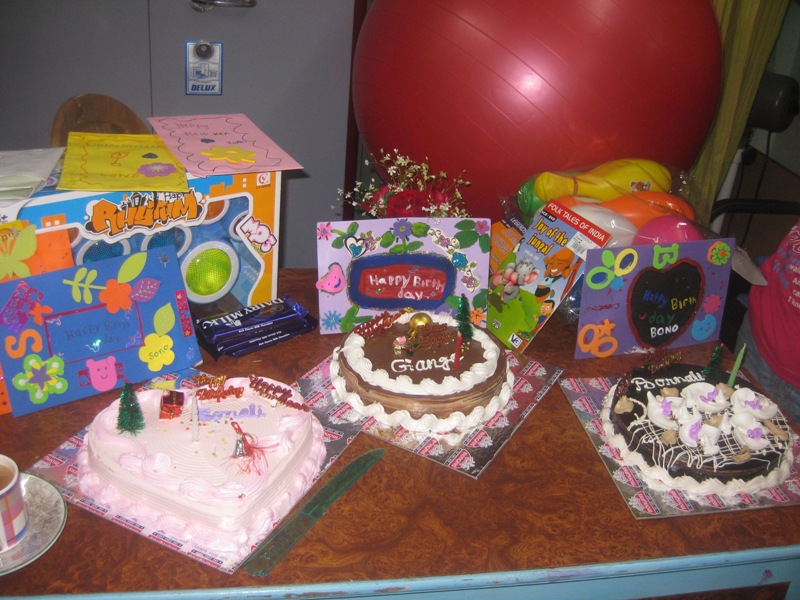


1 January 2010; Happy Birthday to Sonali, Bornali, and Ganga

1Jan10_3234w 

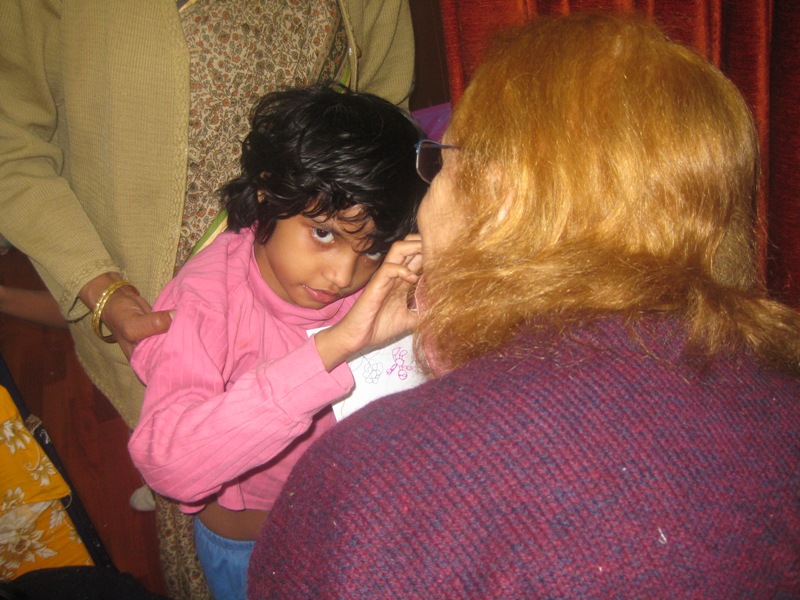
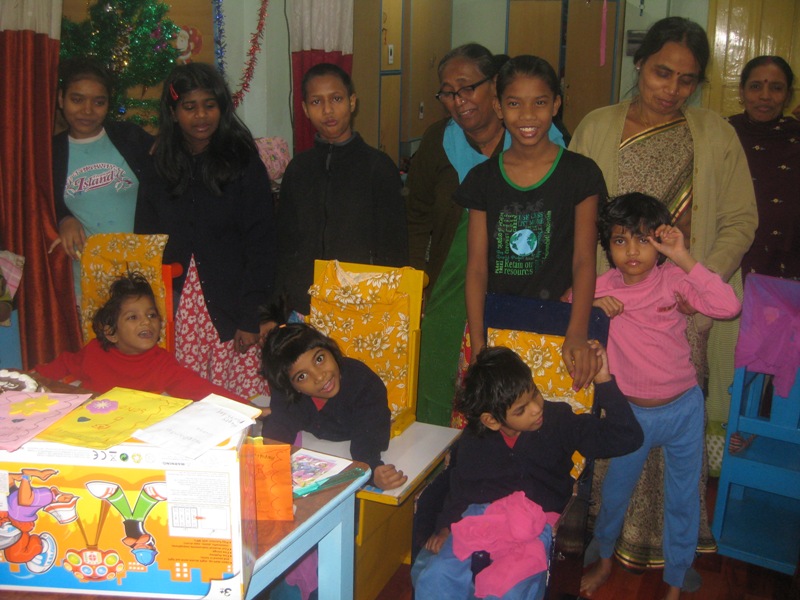
It's the new year and the start of 12 birthdays for my 12 girls.  Only one has a real date of birth, and that is Rani, whose mother we found.  In fact she is the only one for whom we have a definite name.  I'm reminded of my immigrant relatives who came to Ellis Island and often left with entirely new names.  Our girls have stories of different names but of the government home giving them names sometimes that were not correct.   One girl tells of arguing and arguing and finally just giving in and saying, "yes, that's my name."  In our early days we tried to sort out the names, and then assigned dates of birth that would allow the girls to be enrolled in school.  Then we taught them to say their names and ages.  Like my immigrant relatives — displaced persons — they don't really know their own age, much less a date of birth. 

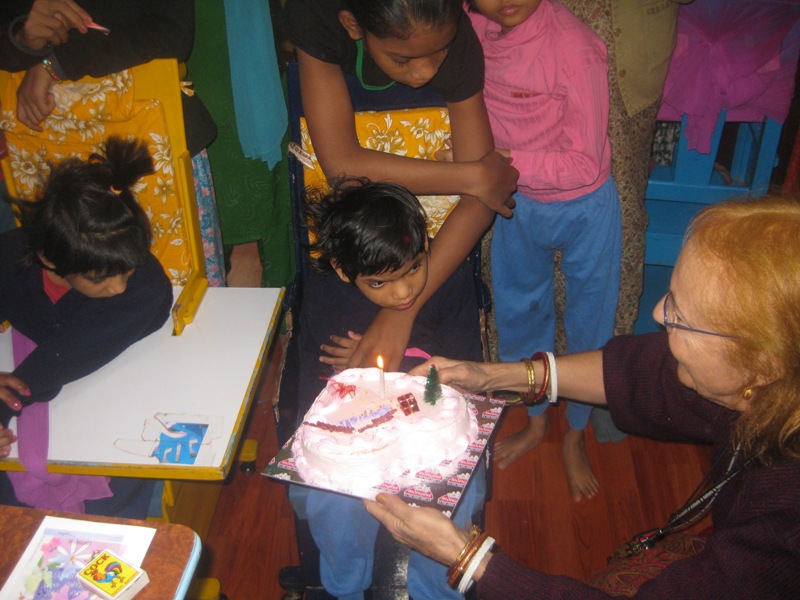
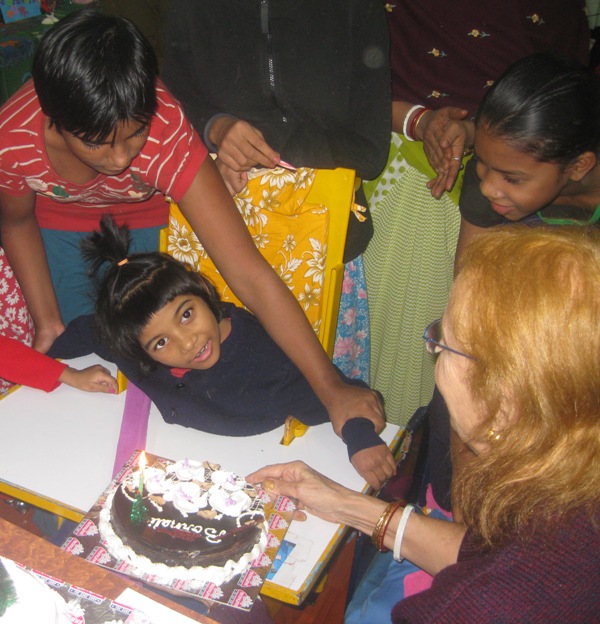
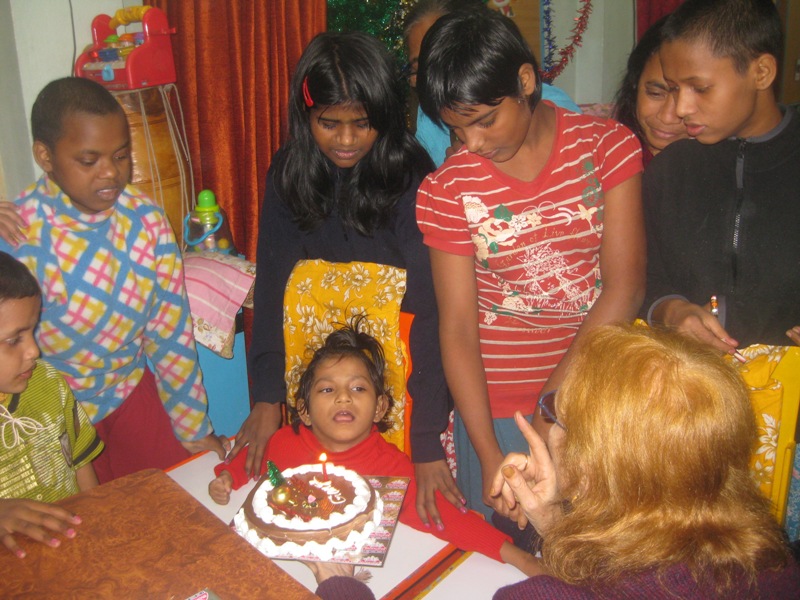
I chose 1 January as birthday for Sonali, Bornali, and Ganga.  It's a good way to start the year, to celebrate the new year. (That reminds me, tomorrow is another girl's birthday!)  Birthdays have become pretty routine now and I actually don't stress about them.  The centerpiece is always the cake, usually chosen by the birthday girl on a trip to the cake store that day.  What is in stock is what we get, with the addition of their names.  Gifts are easy because anything will do, trinket, skin cream, powder.  I think the big event is being sung to, being recognized, blowing out a candle, and getting to be the reason we all have cake and celebrate.

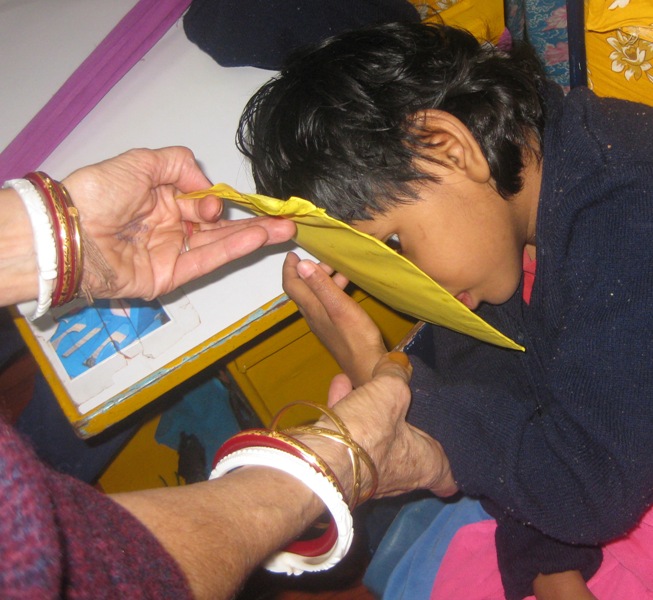
The big girls spent the morning making cards and decorations.  They also made New Year's cards.  They can occupy themselves well.  I went shopping last minute and got a musical toy, a plastic bowling set and two English/Hindi VCDs of Bengali Folk Tales.  I'm trying to explain to Sonali about blowing out the candle. 

1Jan10_3241w

Here I'm showing her a card.  She uses her left eye and her tongue to check out all new objects.

1Jan10_3265w 

Here is Bornali on her birthday.  The hands holding all of the girls is to keep them out of the candles and the cake.


1Jan10_3245w 

And Ganga

1Jan10_3257w 

I'm trying to tell Ganga how to blow out the candle.  She used to do it in speech therapy.  I tried showing her, but oops, I blew it out.

Rani was not to be left out at all although her birthday had been in November.  Her mother stopped by just to say hello so she was with us for the New Year's birthdays.

1Jan10_3263w

 I was giving Rani this card, and she was checking out whether to put it in my mouth or hers.  That's her mother holding her.

1Jan10_3237w 

This was really a happy party day.  

1Jan10_3243w
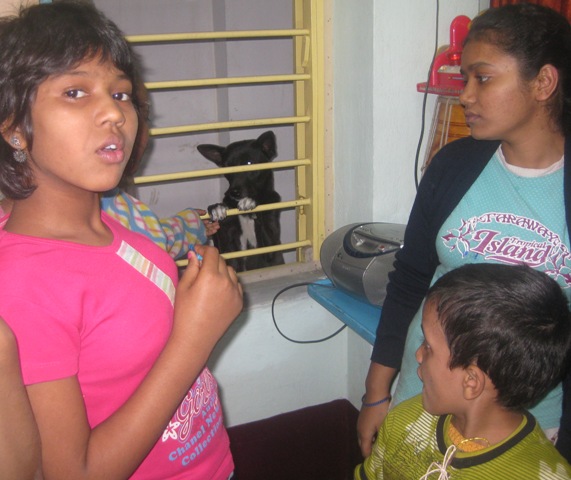
Jelly was not to be left out so she watched through the window.  The little boy in the picture is Rani's younger brother.

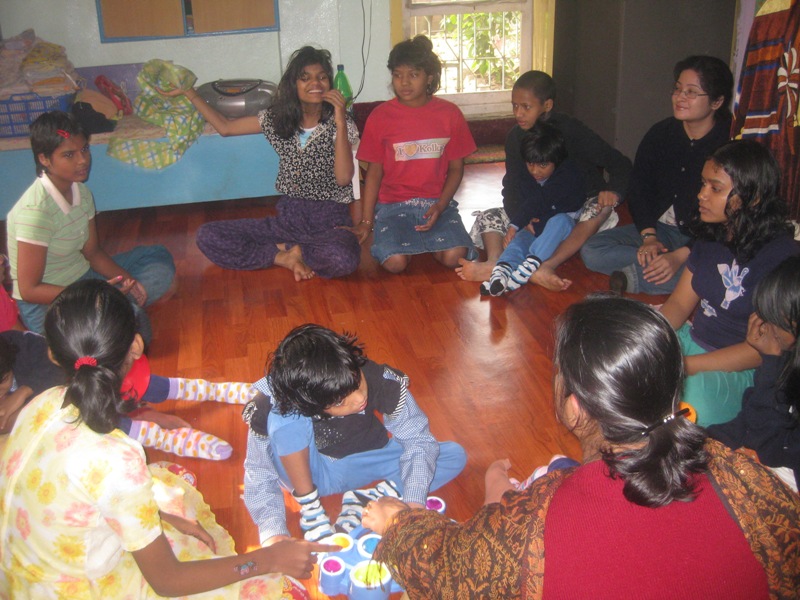
Everyone seemed in the mood for floor play, the big and little ones…, a nice way to tie together the party.

1Jan10_3288w 

1Jan10_3291w 

Rani is so involved in everything we do now.  Bornali was having a hard time sitting.  She really can't sit unless someone strong is holding her in place.  So today I met with the carpenter and we are making a floor chair for her so she can sit up on the floor.    She loves sports, games, balls, but can't do much unless she is sitting and stabilized.  Ganga can't either but she is lighter and more flexible, and really doesn't care so much about games.  Ganga is a nerd.  Bornali is a jock.  Sonali is a sweetie.  Rani – she is a music freak, a drummer sometimes out of her mind in her passion for rhythm.

Tomorrow they go back to school.  I've tried to blog a lot, to give a sense of what life is like here.  In a way it's pretty ordinary — kids' performances, holidays, a trip to the village, birthday parties…. and that's really what I had envisioned.   It's good to be able to be thankful for what I wished for.

Tomorrow's uniforms are all hanging, socks folded, sweaters and hats ready.  I'm just hoping that there won't be a missing sock at 5 am, which sometimes happens no matter how much we try to prepare.  Like I said, it's ordinary here.


A Visit to Bubbi in Ramkrishnapur; 30 December 2009

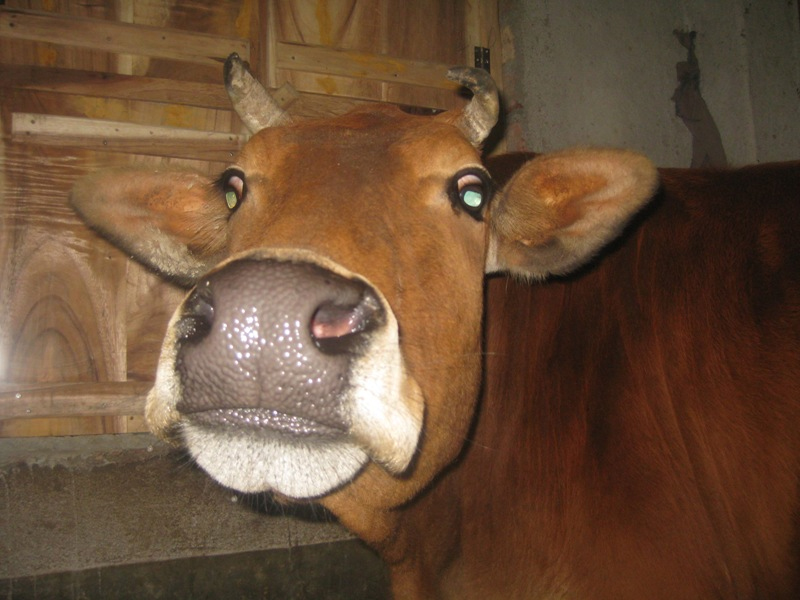
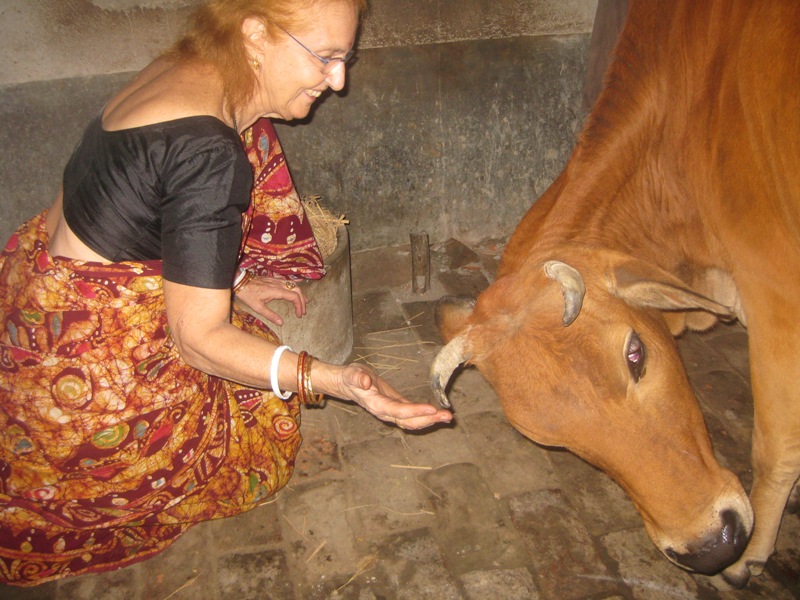
This is Bubbi looking at me before I left in the evening.  She does not like to see me leave.  Sometimes she moos and moos when I leave.  It was a good day, a good visit, but I have to pay more attention to her care.  I’ve known that for a while. 

Thirty five of us descended on the village — a visit to Beau’s family who take care of Bubbi.  It’s a sign of improvement at Shishur Sevay that teachers wanted to go.  Soma Mukherjee, our new Program Director came, and so did our accountant.    The girls were very excited to dress up, which they like to do for a trip to the village.  But this time they also wore the running shoes that Andrei and Heather had brought for them.  They went in their finest salwar suits, sequined, and sporting their running shoes.  They could have been in NYC, a trendy mix of clothes….

IMG_3041W
Notice the shoes!

IMG_3042w
More sequins and shoes.

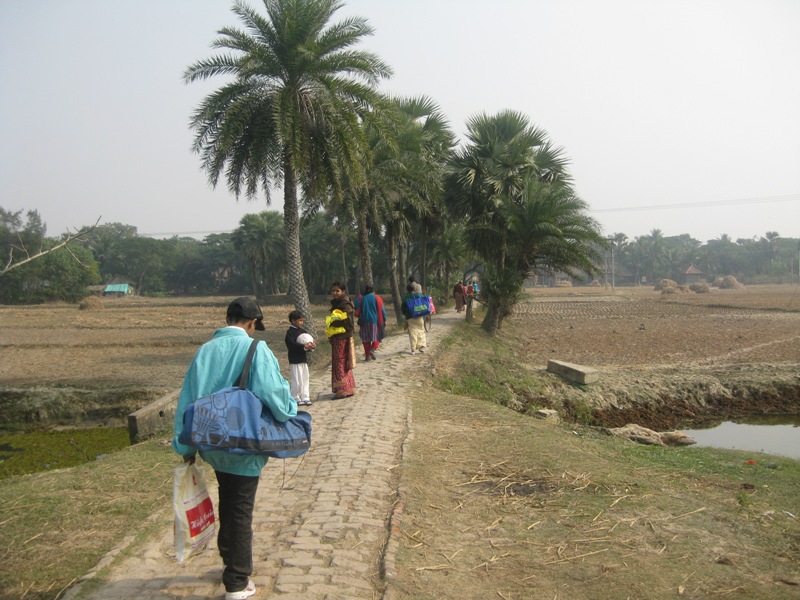
We arrived and parked the bus.  By the time I was able to take pictures the girls had headed off for the village, I was able to get photos of the stragglers — most of us..

IMG_3051w 

This landscape is typical of the agricultural areas.  The fields are along the highways, and the villages set back in the trees, a long twisting path leading to the mostly mud huts.

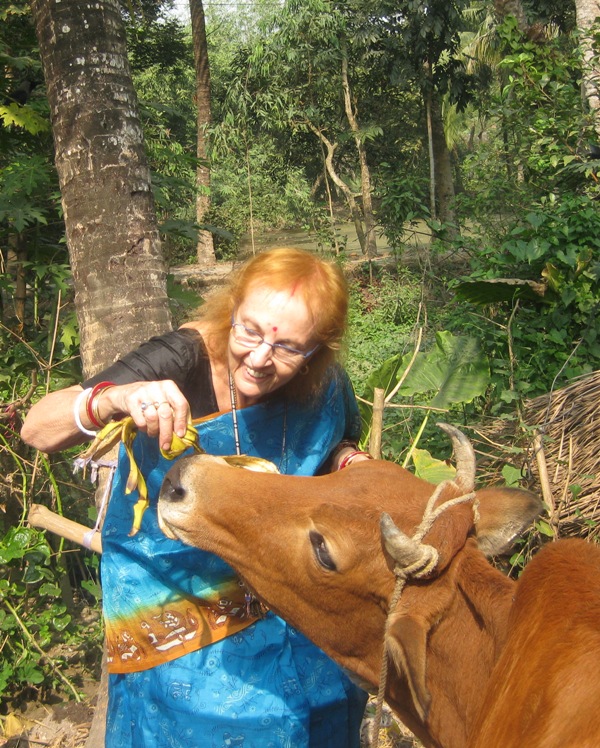
My first stop was Bubbi, who was tied up outside when we arrived.

IMG_3058w

I had brought bananas, and the peels from the bananas we ate on the bus.  I learned she clearly knew the difference.  You can see how happy I am here, back feeding Bubbi.  They say that over time people and their pets look more and more alike.  Notice my hair color, and hers.  I have finally got it right.  We match.

IMG_3093w

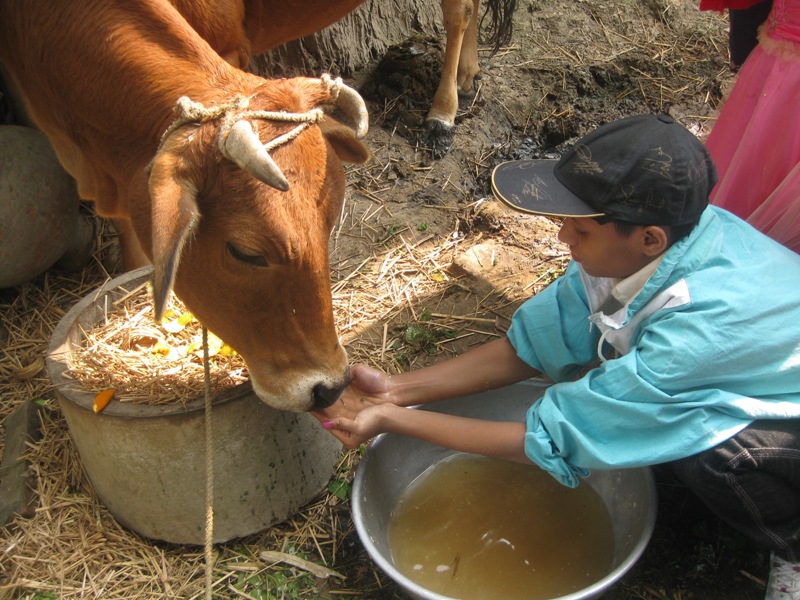
It was always my intent to have Bubbi with the children, and for them to be close to her.  It hasn’t worked out that way so far, but the girls are more and more comfortable and more and more interested in her.

IMG_3109w 

The girls think about animals and their welfare a lot.  They notice animals on the street, want to know about care, about “why” people aren’t good to animals.  On this trip the girls asked about the rope on Bubbi’s horns, and particularly how short she was tied.  Of course I’d noticed and I’d hoped they wouldn’t.  I said I wasn’t OK about it and would have to do something, which I did.  I’m so happy the girls notice such things.  One of our teachers couldn’t join us for the day because her cat was at the hospital on iv drip.  The girls are used to this.  People loving animals and caring for them are part of their every day lives.  But I don’t think anyone else’s hair matched their pets as well as mine matches Bubbi’s. 

IMG_3130w

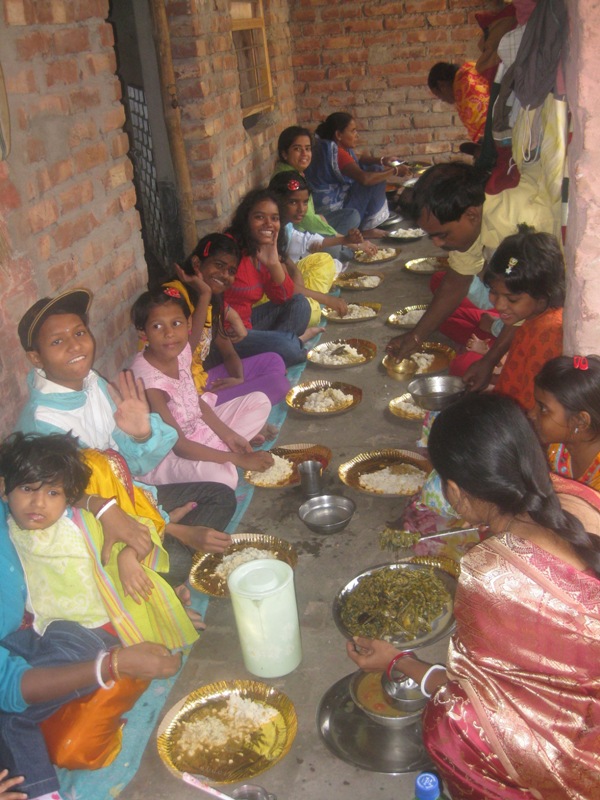
Lunch!  Our hosts offered superb food for us.  The rest of us ate after the girls, and then we went off to the field to play.  The weather was warm but a bit crisp too, so it was really great for running and playing.  Three of the little ones had fallen asleep, but Ganga came to the field with us.  Next time I have to plan better so they all play out in the field.  Each trip is a learning; sometimes too it’s just hard getting everyone going.  I do get worn down and let things go at times. But then it goes on my list for next time — things I can’t just let go.

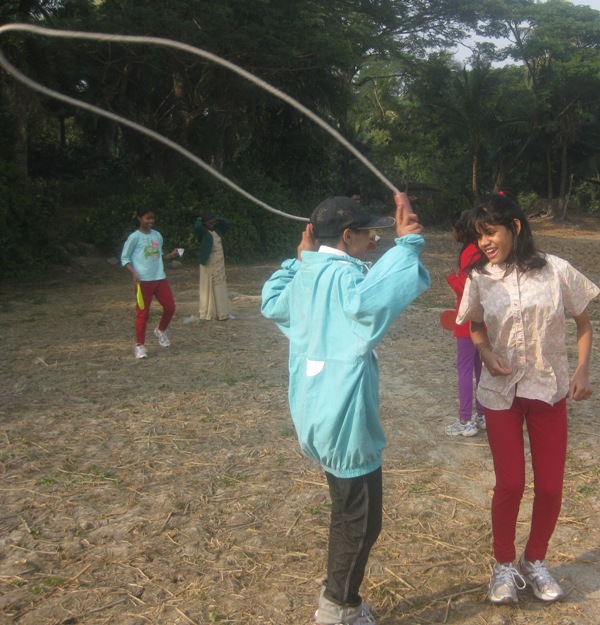
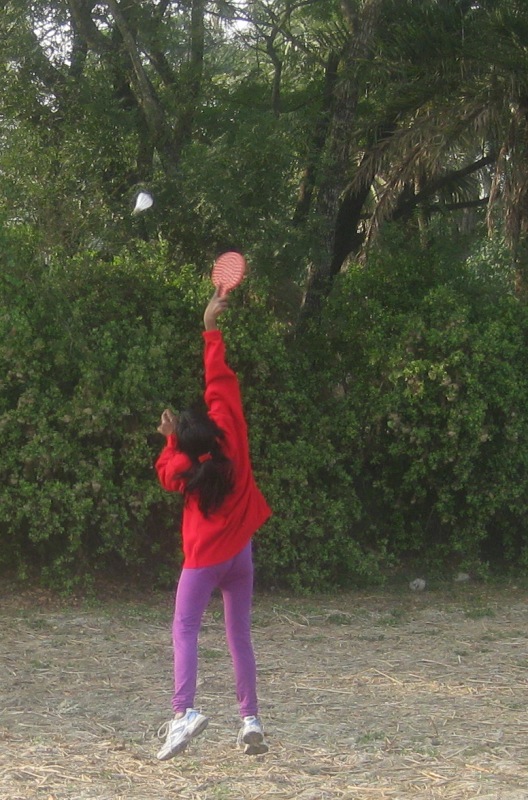
The girls at Shishur Sevay get little time to run and play outside. the fields are dry now; the rice has been picked; the field has been picked over for the straw which is used for burning, bedding, and feeding the cows.IMG_3138w
 IMG_3147w

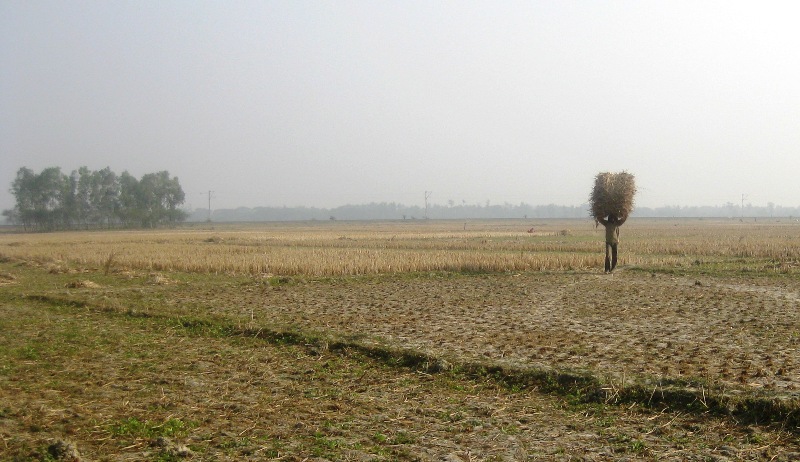
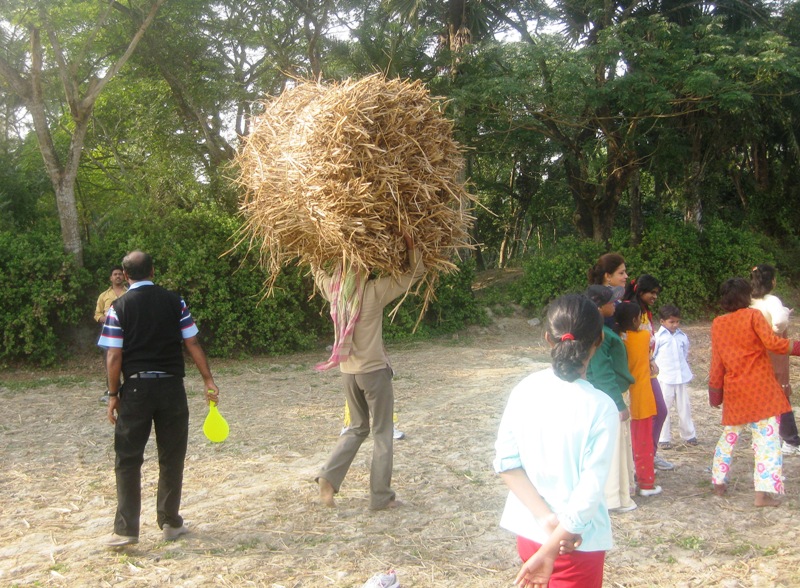
While we were playing in the field, a laborer came across the field carrying a huge bale of rice straw.

IMG_3157w 

I really felt pretty stupid and embarrassed when no one seemed to notice him or try to get out of his way.  We were city invaders of rural life.  

IMG_3159w 

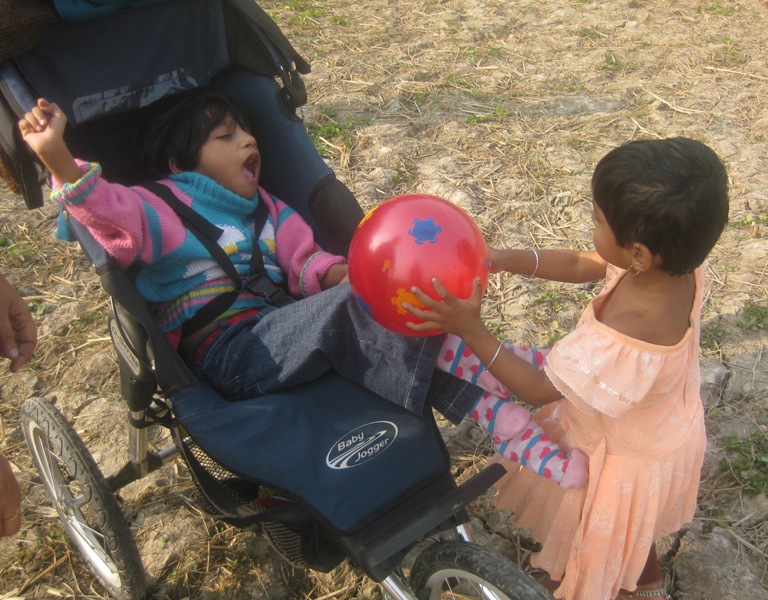
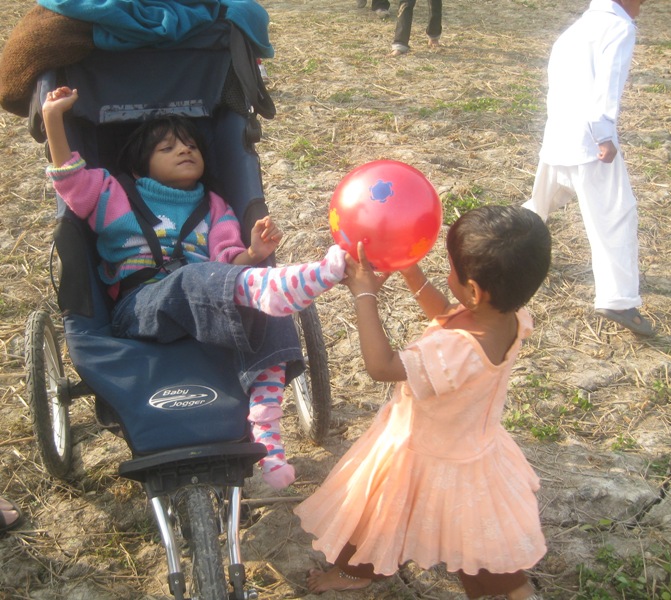
Ganga played with Beau’s neice, who lives in the village.

IMG_3152w

IMG_3150w 

This is the little girl whose mukhabhat we had attended.  We have watched her grow.  The girls really love having little ones around.

IMG_3127w

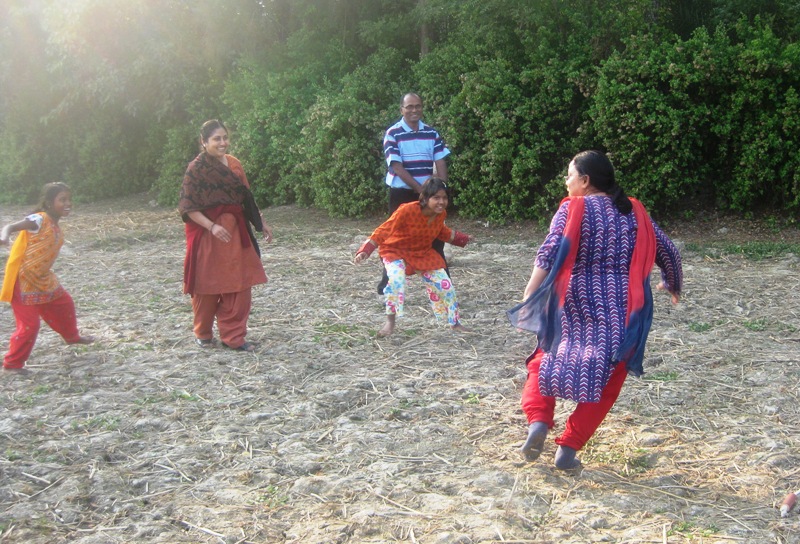
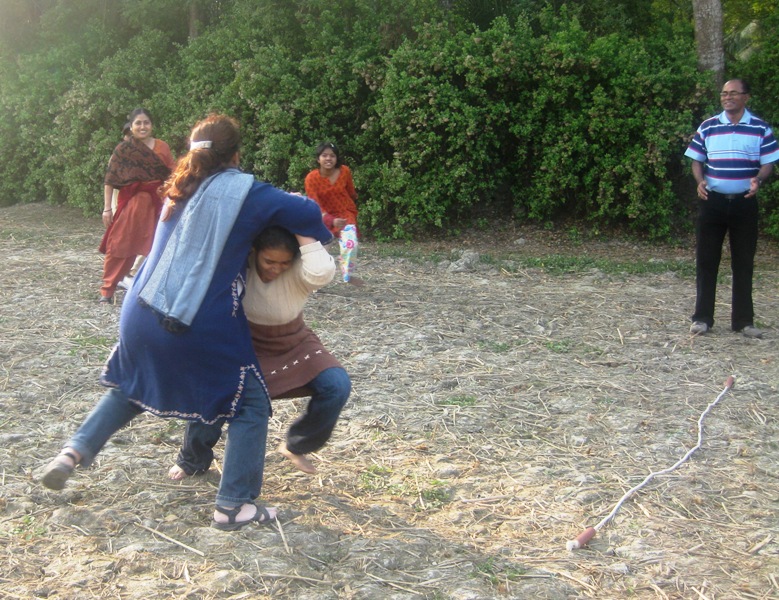
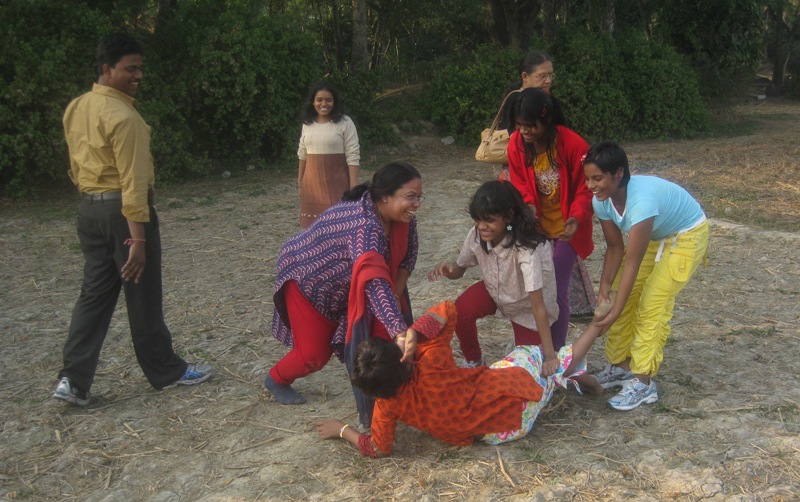
Then there was a tough game of “Kabadi” (sp?) which I’d call a mixture of tag and football.  I don’t like it.  The girls tried playing it in the house and soon we had two major accidents of water spickets being knocked off, a tree being downed, and resulting no water until the pipes could be fixed.  But this day, out on the field, that was the game of choice for some. 

IMG_3173w 

IMG_3170w 
 

IMG_3177w 


And finally victory!!!!

IMG_3186w 

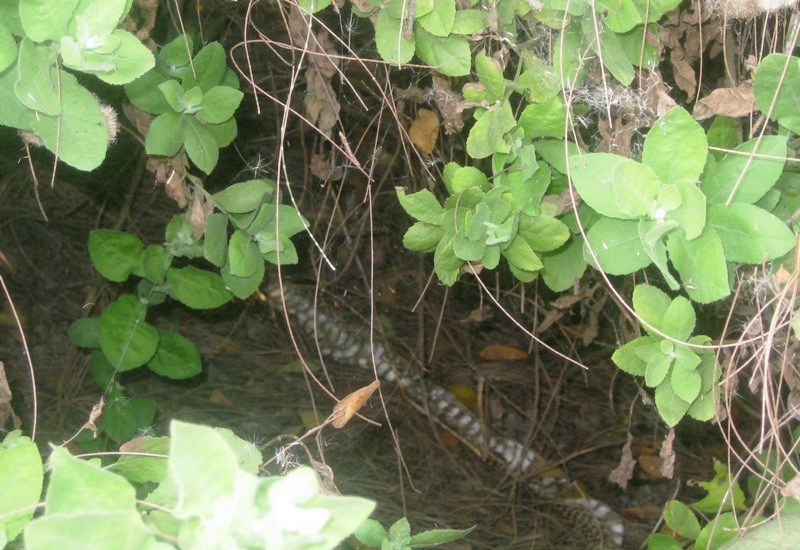
While they were playing I took a picture of a snake skin laying among the brush at the edge of the field.  The girls are studying nature and I thought it would be good for them to have the picture.  I was clearly more involved and interested than they were.  But here is a picture of the snake skin.

IMG_3162w

There was a big snake hole right near the skin.  I’d thought of trying to get the skin, but I imagined some angry snake coming at me to get its skin back.  I do know better…. but I wasn’t taking chances.

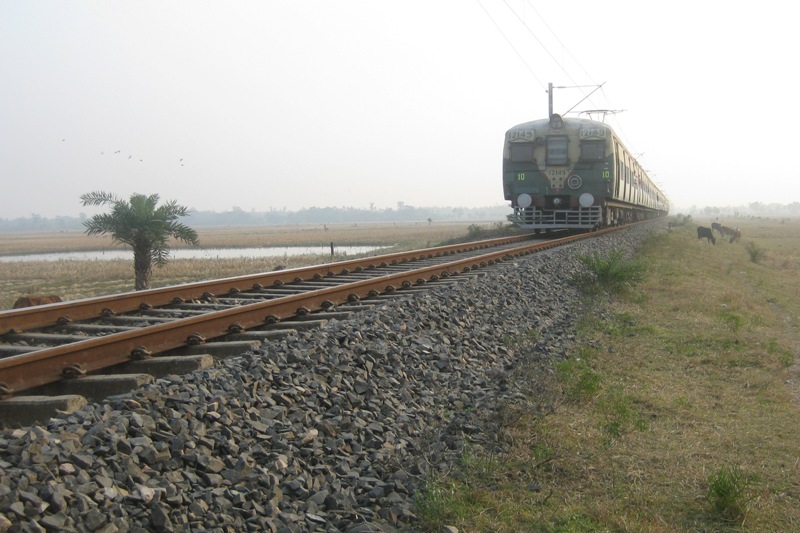
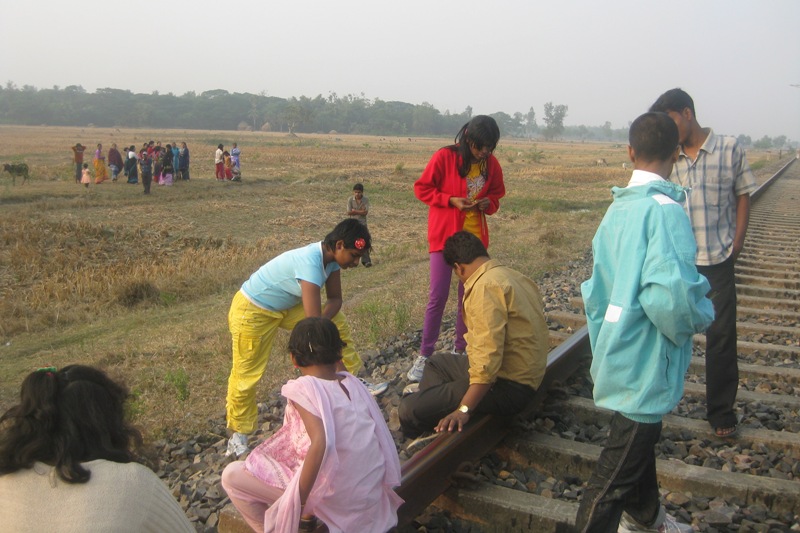
Next we all went up to where the railroad tracks cut through the fields to see the afternoon train coming from Sunderbans to Kolkata.  

IMG_3198w 

The Train!

IMG_3201w 

IMG_3208w
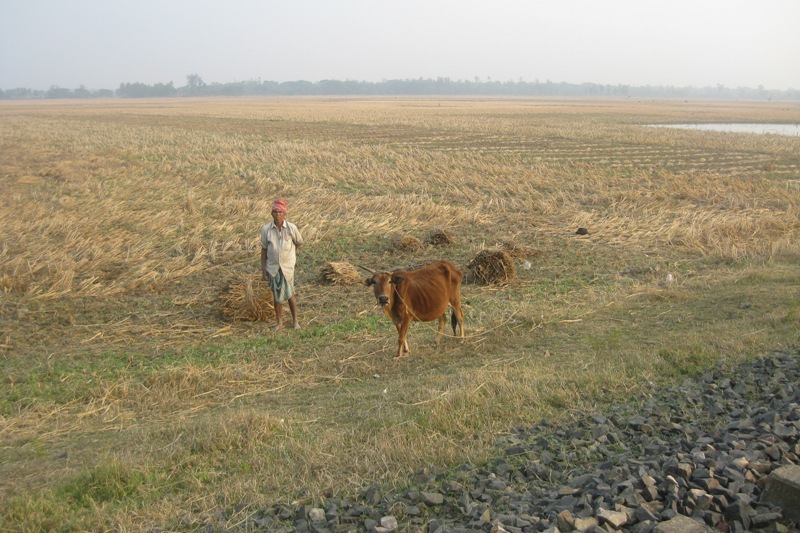
A farmer and his cow on the other side of the railway tracks, looking… at me I think, as the train had already gone by.

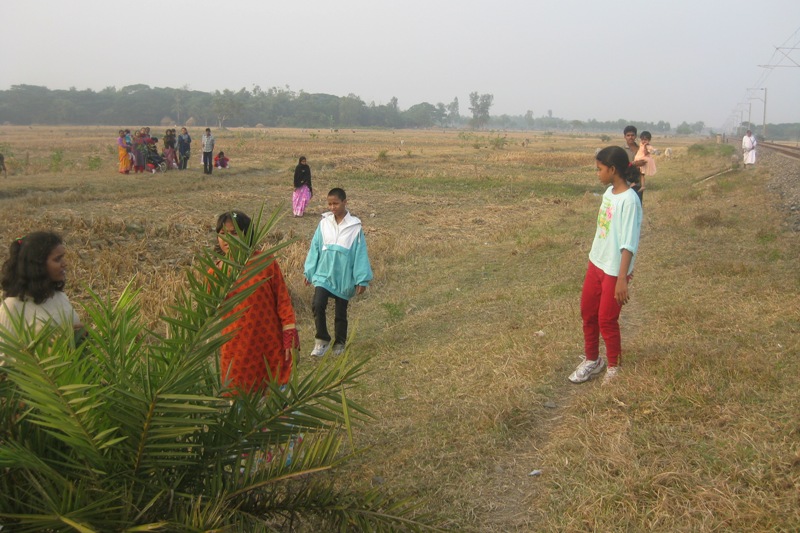
The kids then played on the tracks (under our careful watch)

IMG_3211w 

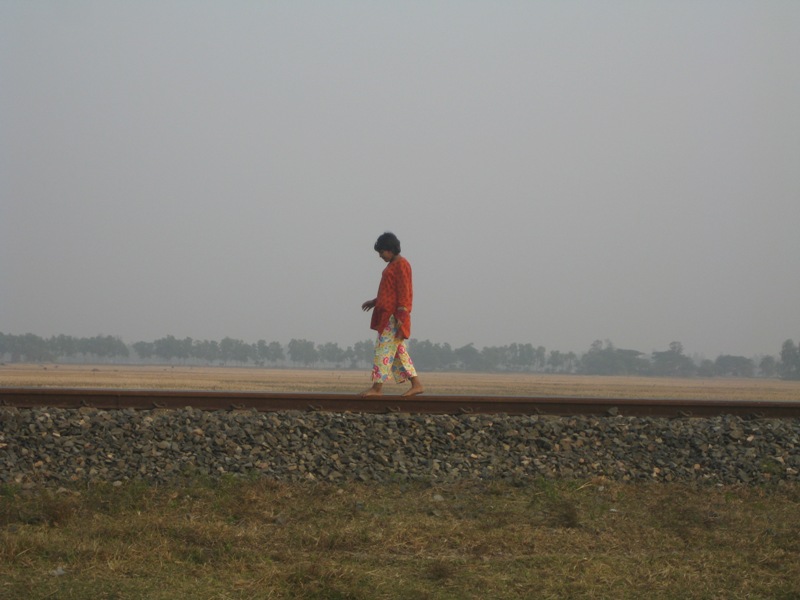
And one of the girls lost herself in thought as she walked along the track.  Maybe she was thinking about God, as she often does, or homework which she often doesn’t, or maybe she was hoping I’d take a picture.  

IMG_3212w 

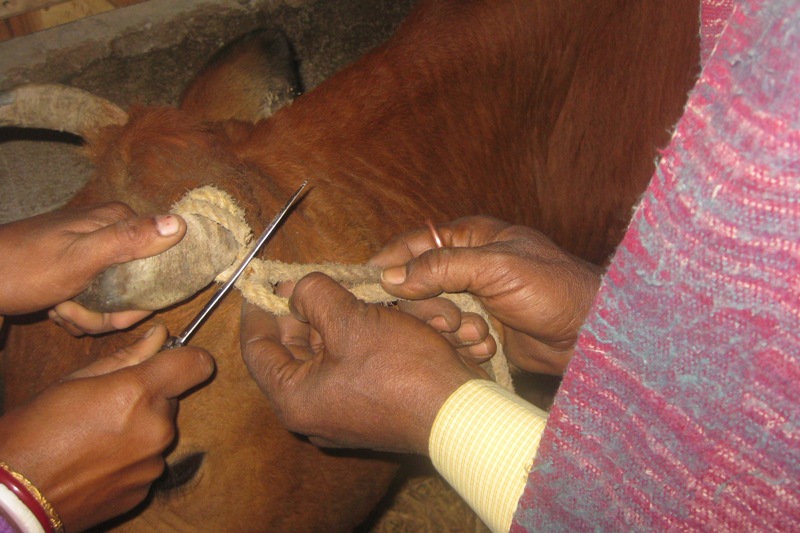
Back at the house, Bubbi was brought into her new stall I’d had built. I requested the rope be taken off her, and they had to cut it free.  

IMG_3221w 


IMG_3225w 

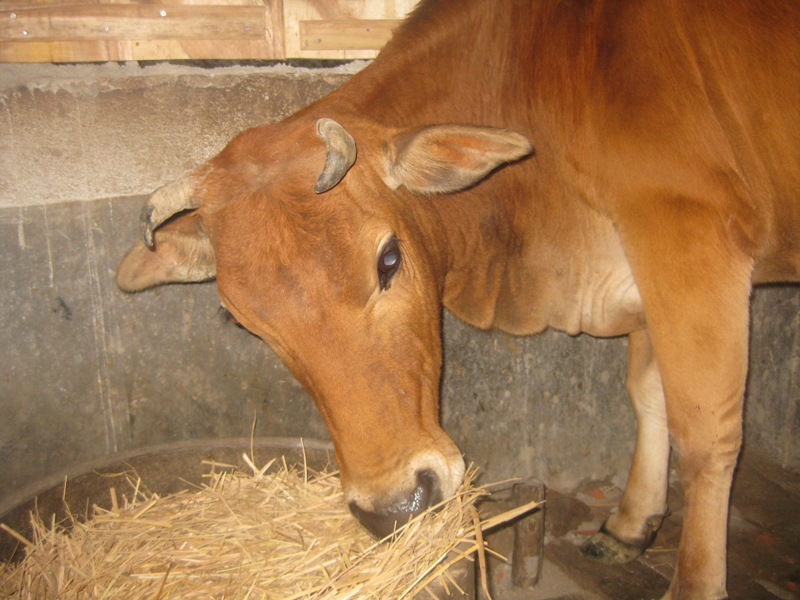
Bubbi didn’t pose well at this point.  She was too busy enjoying the freedom of her head movement.  One of the girls was with me, just standing and watching Bubbi, and I asked her to take a picture.

IMG_3228w 

Bubbi was more interested in scratching or licking her hoof, enjoying the freedom of movement.  I was happy to watch her.  Yes, it is complicated.  Clearly there is another chapter coming in Bubbi’s life.  I once imagined writing a children’s book of Bubbi’s sayings.  I still do.  In the photo section of this blog there are some Bubbi pictures, and some words that go with/from her.  In the next chapter of her life, we will hear more of what she has to say.

End of the day and we headed back to Shishur Sevay, the girls tired but happy.  We talked about Bubbi over dinner, her history, what I must do, what I must look for.  In this visit, maybe because of the girls’ upset at how she was tied, she became more a part of our family, not just Mummy’s cow.  That’s also how I wanted it, from the beginning…. 

Happy New Year.  May all our wishes come true; may all those we love be well and happy!


The Spirit of Performance


21 December 2009

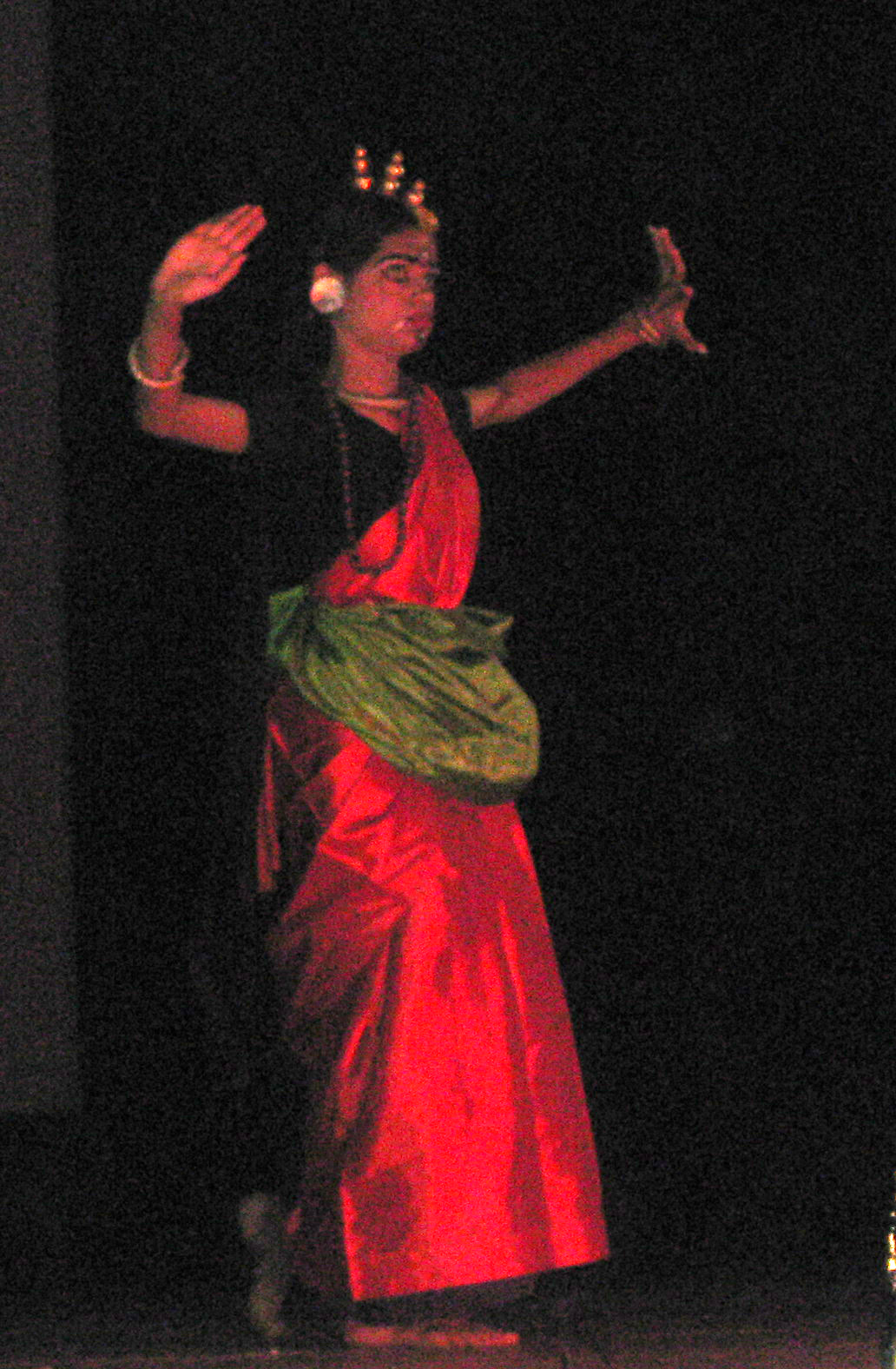
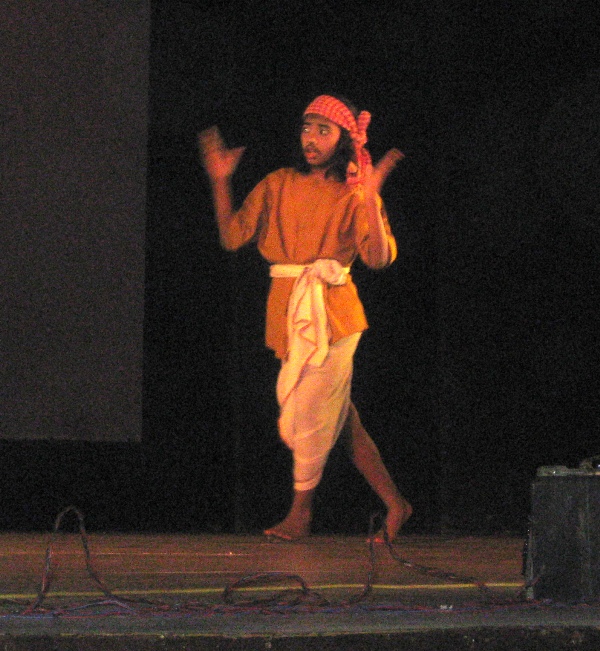
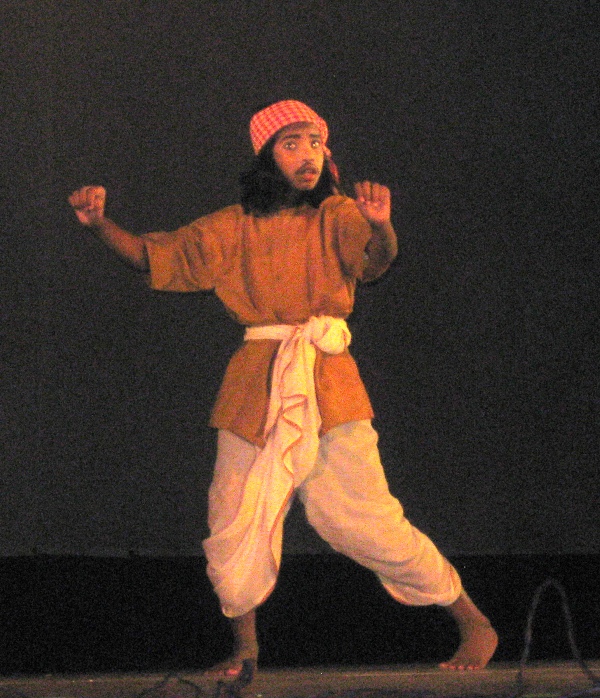
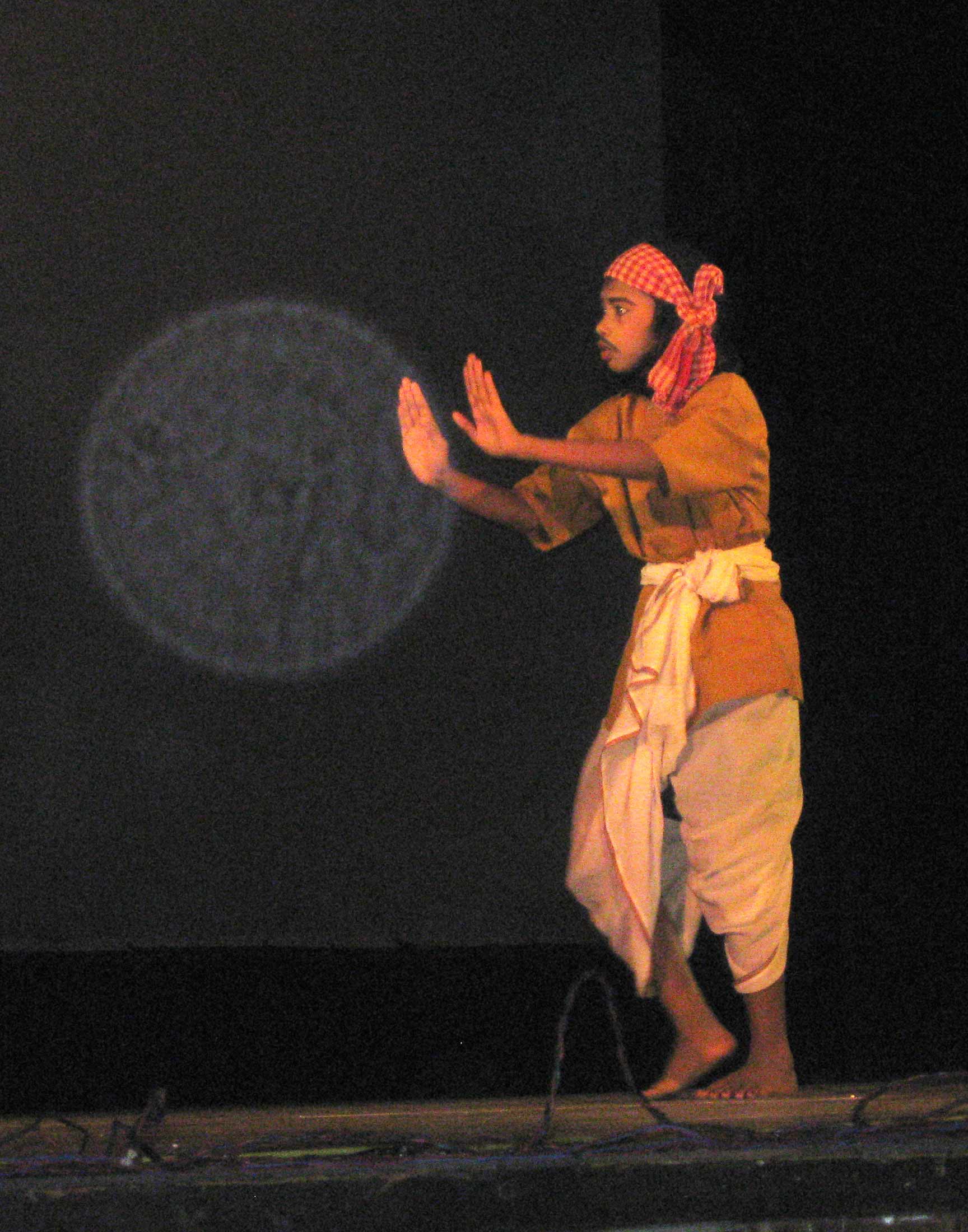
Diamond Jubilee of Sahapur Sabitri Balika Vidyalaya.  Girls of Shishur Sevay perform.  They are outstanding.  They have grace and intensity.  They are dancing to celebrate 60 years of this school, now their school.  They dance to celebrate their journeys that have brought them here. They have a home; they have a school; they have a community.  They know they are different, but still, they have a place where they are known, accepted, appreciated.  They love their school.

 Performance_2922CRW

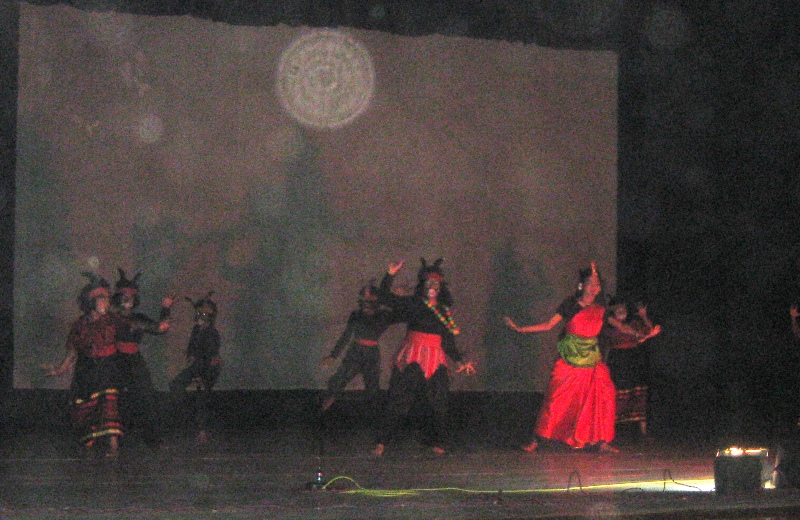
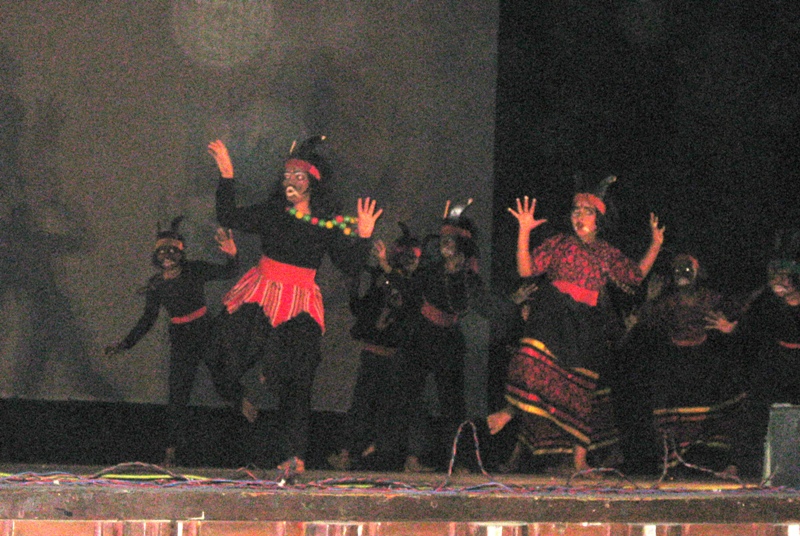
23 December 2009.  The festivities continue at Madhusudan Mancha auditorium at Dakshinapan Center.  

Performance 3_2935w 

Performance_2952W 

Performance-3_2937 

Performance_2940W
  
Performance_2945w 

Performance_2944W


Performance_2956W 

Here is the whole cast.  It was a beautiful performance.  I have it on video.  We all love watching over and over.  Personally, I was "blown away" by their performances. To my eyes, they have a determination and spirit on stage that differentiates them.  I am so moved, so proud.  My cup runneth over.


Previous Older Entries Next Newer Entries

August 2026
S M T W T F S
 1
2345678
9101112131415
16171819202122
23242526272829
3031